

Coating Service Overview
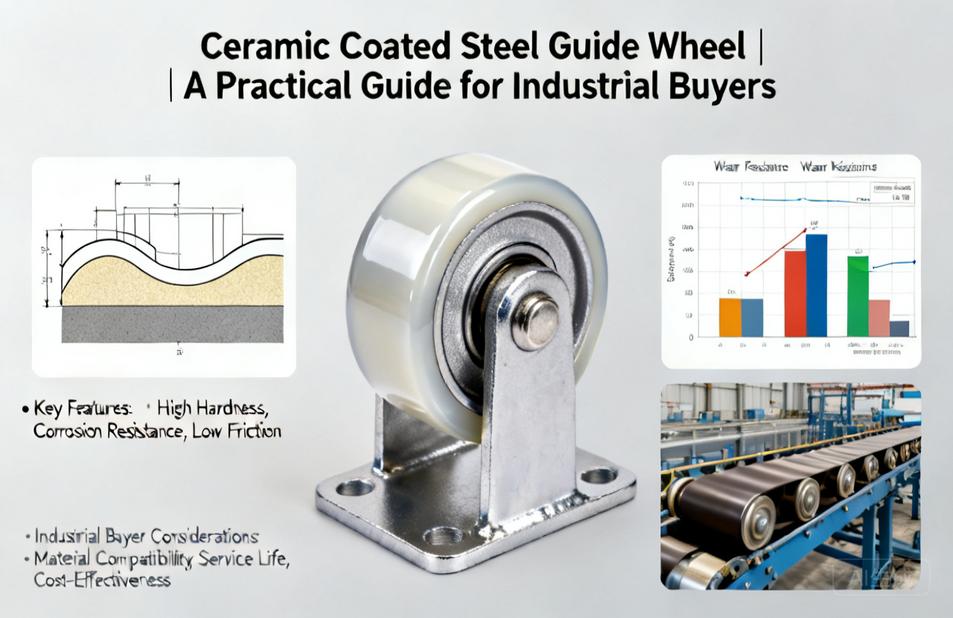
A ceramic coated steel guide wheel is a load-bearing or guiding component made from a steel core that is covered with a thin ceramic layer. It is commonly used in wire and cable machinery, textile equipment, automated production lines, conveyor systems, and other industrial applications where the wheel must resist wear, maintain a smooth surface, and guide moving materials with minimal friction. For overseas buyers, understanding how this product works, where it fits, and what to check before ordering helps avoid costly mismatches on the production floor.
What Is a Ceramic Coated Steel Guide Wheel?
The wheel combines the mechanical strength of a steel body with the surface properties of a ceramic coating. The steel core provides structural support, while the ceramic layer creates a hard, smooth, and wear-resistant contact surface. Compared with uncoated steel wheels, the ceramic coating can reduce surface damage, lower friction in many guiding and tensioning positions, and help maintain stable material path alignment over time. In practical terms, this type of wheel is often specified when a standard steel or plastic wheel wears too quickly or causes surface marks on the product being guided.
Key Features Buyers Usually Look For
Purchasers evaluating a ceramic coated steel guide wheel typically focus on several functional characteristics. The ceramic layer should be uniform and well bonded to the steel substrate. The wheel should run true with low runout, because vibration or wobble can affect wire, cable, thread, or film during high-speed operation. A smooth ceramic surface helps reduce friction and material drag. At the same time, the steel core should offer sufficient strength and stiffness for the intended load. Buyers also review bore diameter, outer diameter, width, edge radius, and mounting style to ensure the wheel fits existing shafts, bearings, and brackets.
Wear Resistance and Surface Quality
In continuous production, guide wheels often contact moving materials for long periods. Ceramic coatings are chosen because they can resist abrasive wear better than many untreated metal surfaces. This can extend replacement intervals and reduce downtime in wire drawing, cable stranding, textile spinning, and similar processes. The coating can also help prevent galling or material pickup, which is important when guiding soft or coated products.
Friction and Material Handling
Low friction is not always the only goal. In some tension control applications, a controlled friction level is needed to maintain stable material movement. A ceramic coated wheel can provide a consistent surface condition, but buyers should discuss the specific material, speed, and tension requirements with the supplier before finalizing the specification.
Materials and Construction
Most ceramic coated steel guide wheels use a carbon steel or alloy steel core, machined to the required profile and then coated with a ceramic layer. The coating may be applied through thermal spray, plasma spray, or other industrial coating processes, depending on the supplier and the intended application. The steel core may be through-hardened or surface-treated before coating. Bearings, bushings, or plain bores can be integrated according to the mounting design. Buyers should ask for material certificates and coating thickness information where relevant, but final selection should always be based on the actual working conditions rather than a single generic data point.
Typical Industrial Applications
Ceramic coated steel guide wheels are used in many industrial settings where accurate material guidance and long service life matter. Common applications include wire and cable manufacturing, textile machinery, plastic film and foil processing, printing and packaging equipment, conveyor systems, and automated material handling lines. In wire and cable production, these wheels may guide conductors, strands, or cables through drawing, annealing, and stranding stages. In textile equipment, they can support yarn or thread movement with reduced surface damage. In packaging and printing, they help maintain web tension and edge alignment.
How to Choose the Right Guide Wheel
Choosing the correct wheel starts with the application. The buyer should identify the material being guided, its diameter or width, the line speed, the tension range, and the environmental conditions such as temperature, dust, moisture, or chemical exposure. Next, the mounting interface must be confirmed: shaft diameter, bore size, keyway, bearing type, and available space. The wheel profile, including groove shape and edge radius, should match the material so it does not cut, flatten, or misalign the product. Load capacity and allowable runout are also important, especially in high-speed lines. If the application involves frequent stop-start cycles or heavy radial loads, the steel core and bearing selection deserve extra attention.
Customization and OEM Options
Many industrial buyers need more than a standard catalog wheel. A qualified manufacturer or supplier can often provide custom dimensions, groove profiles, bore configurations, coating specifications, and mounting features. OEM production is common in this category, where the wheel is made to match an existing machine or replacement part. When requesting a custom ceramic coated steel guide wheel, buyers should provide drawings, samples, or detailed measurements, along with information about the working environment and expected duty cycle. This helps the factory recommend a suitable steel grade, coating approach, and bearing arrangement without relying on guesswork.
Buying Considerations for Overseas Purchasers
Price should not be the only factor. Buyers should compare the consistency of the coating, dimensional accuracy, balancing quality, and the supplier’s ability to control production tolerances. It is also useful to clarify packaging requirements, surface protection during shipping, and labeling for incoming inspection. If the wheels are intended for critical equipment, requesting a sample or a small trial order before mass production can reduce risk. Documentation such as dimensional reports and material declarations may be requested where the application requires traceability. Lead time and minimum order quantity are practical concerns, but these should be discussed directly with the supplier because they depend on the specific drawing and production schedule.
How to Evaluate a Supplier or Factory
A reliable supplier or factory should be able to explain the coating process, the steel selection, and the quality checks used during production. They should ask questions about the application instead of quoting only on dimensions. Experience with wire, cable, textile, or film equipment is a useful indicator, but the buyer should still verify process capability through samples or trial orders. Communication matters as well: clear drawings, fast feedback on technical questions, and consistent follow-up help avoid misunderstandings. For OEM and custom projects, the supplier should be comfortable working from samples or reverse-engineered parts while maintaining agreed tolerances.
Frequently Asked Questions
What is the difference between a ceramic coated wheel and a standard steel wheel?
A standard steel wheel relies on the base metal for wear resistance. A ceramic coated wheel adds a hard surface layer that can improve wear life and reduce material pickup in many guiding applications. The best choice depends on the material being handled, line speed, and load conditions.
Can ceramic coated steel guide wheels be customized?
Yes. Many manufacturers and suppliers offer custom dimensions, groove profiles, bore sizes, and mounting features. Buyers can often request OEM production based on drawings or samples. Providing detailed application information helps the factory recommend a suitable configuration.
How do I match the wheel to my machine?
Check the shaft or bore diameter, mounting method, available space, and the material path. The wheel profile should match the product being guided, and the load rating should suit the application. When possible, compare the existing part with the proposed replacement to confirm fit and function.
What information should I provide when requesting a quote?
Provide the wheel dimensions, drawing or sample details, material being guided, speed, load, environmental conditions, and required quantity. If the wheel is part of an OEM assembly, share the relevant interface dimensions and any tolerance requirements.
Conclusion
A ceramic coated steel guide wheel can be a practical solution for industrial applications that demand wear resistance, smooth material guidance, and stable long-term performance. The right choice depends on the specific material, machine interface, load, and operating environment, not simply on a generic specification. Buyers should work with a supplier or factory that can review the application, offer custom or OEM options where needed, and provide consistent quality across production batches. If you are sourcing guide wheels for wire, cable, textile, packaging, or automation equipment, share your drawings and working conditions with a qualified manufacturer to discuss the most suitable configuration.
