

Coating Service Overview
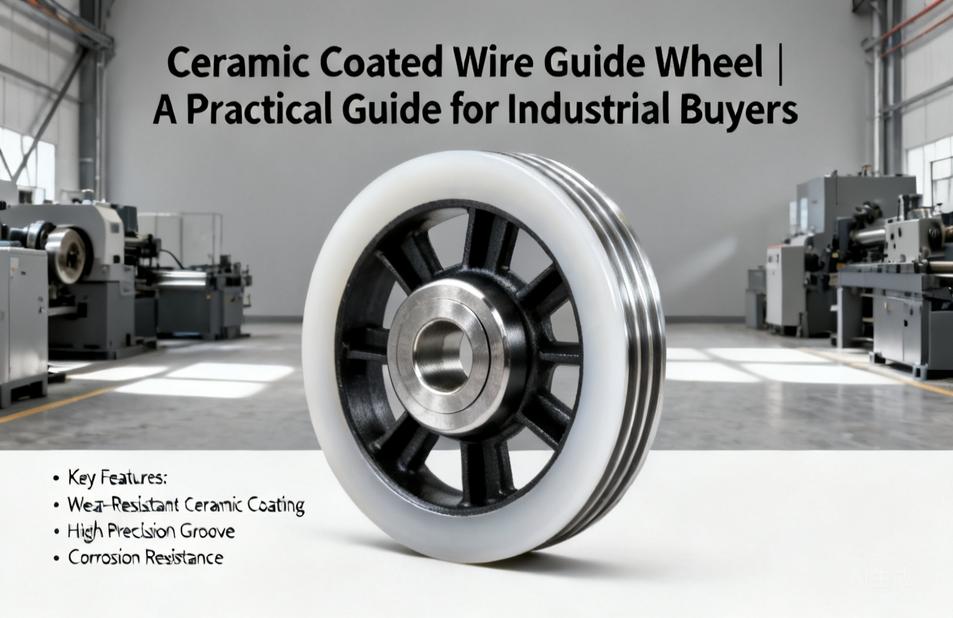
A ceramic coated wire guide wheel is a precision guiding component used to route, tension, and protect wire, cable, and fiber during winding, drawing, and feeding operations. The ceramic coating on the wheel surface reduces friction and wear, helping to extend the life of the guide wheel while minimizing damage to the wire itself. These wheels are commonly found in wire drawing machines, coil winding equipment, cable manufacturing lines, textile machinery, and automated wire processing systems. For buyers sourcing industrial wire guides, understanding how the coating works, where it fits, and what to evaluate before ordering is essential for getting the right component for the application.
Why Ceramic Coating Matters on a Wire Guide Wheel
In wire handling, the contact point between the wire and the guide wheel is where most friction and wear occur. A standard metal wheel may work in low-speed or light-duty situations, but it can scratch softer wire surfaces, create drag, or wear unevenly over time. A ceramic coated wire guide wheel addresses these issues by adding a hard, smooth surface layer over a metal substrate, usually aluminum or steel.
The ceramic layer provides a low-friction surface that helps the wire move smoothly without excessive resistance. Its hardness helps resist abrasion from continuous wire contact, which is particularly useful in high-speed drawing and winding processes. Because the coating can be applied with different surface finishes and profiles, it also allows suppliers to tailor the wheel to specific wire diameters and machine configurations.
Common Materials and Construction
The performance of a ceramic coated wire guide wheel depends on the base material, the coating process, and the wheel geometry. Typical base materials include aluminum alloy and steel. Aluminum is often chosen when weight reduction is important, while steel may be preferred for higher mechanical strength. The ceramic coating is applied through processes such as anodizing or thermal spraying, depending on the required surface properties.
Wheel geometry includes the outer diameter, groove profile, and bore size. The groove may be V-shaped, U-shaped, or flat, and it must match the wire or cable being guided. A mismatched groove can cause the wire to ride incorrectly, leading to tension variations or surface damage. Bearings or bushings are also part of the assembly, and their type affects rotational smoothness and maintenance needs.
Key Features Buyers Look For
- Low friction surface to reduce wire drag and energy loss
- Abrasion-resistant ceramic layer for longer service life
- Consistent groove profile for stable wire tracking
- Smooth rotation through quality bearings or bushings
- Corrosion resistance suitable for humid or chemically exposed environments
- Available in multiple sizes and mounting configurations
Industrial Applications of Ceramic Coated Wire Guide Wheels
These guide wheels are used across many industries where wire or cable must be routed with precision. In the wire and cable industry, they guide conductors through drawing, annealing, and winding stages. In coil winding, they help maintain consistent tension as wire is laid onto a bobbin or core. Textile machinery uses them to guide yarn and thread, where smooth surfaces prevent fiber damage.
Other applications include welding wire feeding, spring making, wire forming, and optical fiber processing. In each case, the goal is the same: keep the wire aligned, control tension, and protect both the wire and the equipment. Because different applications involve different wire materials and speeds, the wheel specification should be matched to the actual operating conditions rather than selected by size alone.
How to Choose the Right Guide Wheel
Selecting a ceramic coated wire guide wheel starts with identifying the wire or cable being processed. Wire diameter, material, surface finish, and operating speed all influence the choice of groove profile and coating type. A softer wire may require a smoother, more polished ceramic surface to avoid marking, while a harder wire may call for a more durable coating.
Next, consider the machine interface. The wheel bore, mounting method, and available space determine which wheel sizes can be installed. The load and speed of the application also affect bearing selection. If the wheel runs continuously at high speed, a bearing with suitable load capacity and lubrication is important.
Environmental factors should not be overlooked. Dust, moisture, and temperature can affect both the coating and the bearing life. In some cases, a sealed bearing or a different base material may be more suitable. Buyers should share these details with the supplier so the wheel can be configured correctly.
OEM and Custom Requirements
Many industrial buyers need guide wheels that fit existing equipment or replace a specific original part. An experienced manufacturer or supplier can often provide OEM and custom options, including custom outer diameters, groove profiles, bore sizes, and coating specifications. When requesting a custom ceramic coated wire guide wheel, provide drawings or samples when possible, along with details about the wire type, speed, and environmental conditions. This helps the factory recommend a practical configuration and avoid costly mismatches.
Supplier Selection and Buying Considerations
When sourcing from overseas, evaluate the supplier on technical communication, production consistency, and quality control. A reliable manufacturer should be able to explain the coating process, discuss tolerances, and provide samples for evaluation. Ask about the base material, coating thickness range, and available surface finishes. If the supplier cannot answer these questions clearly, it may be difficult to resolve issues later.
Order quantity, packaging, and lead time are also part of the purchasing decision. Small trial orders can help verify fit and performance before committing to larger volumes. For ongoing supply, consistent dimensions and coating quality matter more than a single low price. Working with a factory that understands wire handling applications can reduce the risk of premature wear or wire damage.
Frequently Asked Questions
What wire materials are suitable for ceramic coated guide wheels?
These wheels are commonly used with copper, aluminum, steel, and alloy wire, as well as cable and textile yarn. The best choice depends on wire hardness, surface sensitivity, and operating speed. Sharing these details with the supplier helps confirm the right coating and groove profile.
Can ceramic coated wire guide wheels be customized?
Yes. Many manufacturers offer OEM and custom production for dimensions, groove shape, bore size, and coating finish. Providing drawings, samples, or machine specifications helps the factory produce a wheel that fits the equipment and application.
How do I know if the ceramic coating is suitable for my process?
Consider the wire material, speed, tension, and environmental conditions. A smooth, low-friction coating is generally preferred for delicate wire, while a more wear-resistant coating may suit abrasive or high-speed applications. Testing a sample under real operating conditions is the most practical way to confirm suitability.
What information should I provide when requesting a quote?
Provide the wire or cable type and diameter, machine model, required wheel dimensions, groove profile, bore size, quantity, and any environmental factors. If a current part is being replaced, include a drawing or sample for reference.
Conclusion
Choosing the right ceramic coated wire guide wheel comes down to matching the wheel to the wire, the machine, and the operating environment. Focus on coating quality, groove profile, bearing selection, and the supplier’s ability to support OEM or custom requirements. Buyers who share clear application details can often get a more accurate recommendation and a smoother purchasing process. If you are evaluating guide wheels for a specific wire handling application, contact a qualified supplier or factory to discuss your specifications, sample needs, and customization options.
