

Coating Service Overview
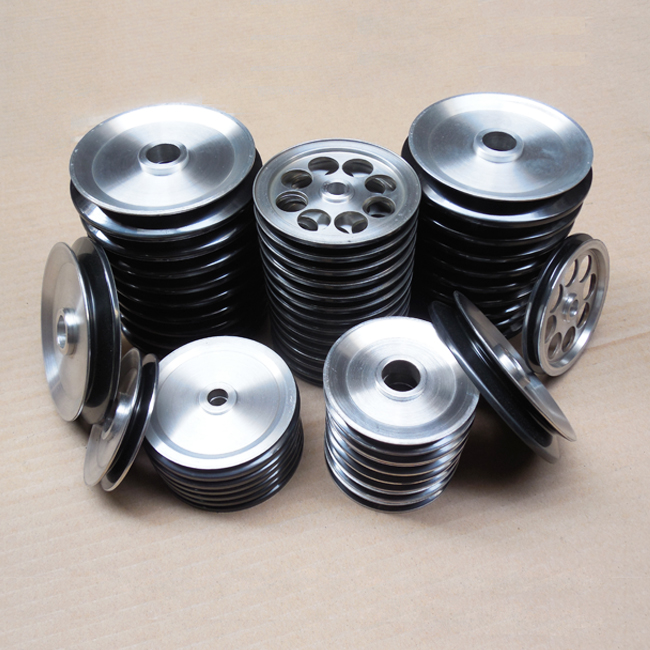
There is no single official list of “recommended” manufacturers of ceramic guide wheels for wire drawing machines. Instead, buyers typically shortlist suppliers that can demonstrate three things: the ability to machine technical ceramics to tight tolerances, the ability to match the wheel to the wire diameter and line speed, and the ability to provide consistent quality across repeat orders. This guide explains how to evaluate manufacturers and what to check before you request a quotation.
What a Ceramic Guide Wheel Does in a Wire Drawing Machine
A ceramic guide wheel is a rotating or fixed wheel with a ceramic contact surface, used to route, tension, or change the direction of wire as it moves through drawing, annealing, coating, or winding stages. In wire drawing, the wheel must reduce friction, resist abrasion from the moving wire, and avoid scratching or flattening the wire surface. Because the wheel contacts the wire directly, its groove profile, surface finish, bore tolerance, and rotation quality affect both wire quality and machine uptime.
How to Evaluate a Ceramic Guide Wheel Manufacturer
Rather than relying on a generic “top 10” list, procurement teams and engineers can compare suppliers against the following practical criteria:
- Material and process capability: Can the manufacturer supply technical ceramic wheels and, where relevant, apply wear-resistant coatings such as HVOF (high velocity oxygen fuel) coating? Different wire materials and line speeds call for different surface solutions.
- Dimensional accuracy: Bore diameter, outer diameter, and groove profile should hold tolerance so the wheel runs true on its shaft or bearing and keeps the wire path stable.
- Surface finish: A smooth, consistent groove reduces friction and prevents micro-scratches on fine wire.
- Customization: The ability to produce wheels to customer drawings, including custom sizes and groove geometries, is important when standard parts do not match the machine.
- Quality system: A documented quality system, such as ISO 9001 certification, supports repeatability across orders.
- After-sales support: Surface repair or re-coating services can extend the service life of worn wheels.
Typical Applications and Selection Logic
Ceramic guide wheels are used in wire drawing machines, enameling lines, cable and wire harness production, coil winding equipment, textile machinery, optical fiber processing, and precision cable handling systems. When selecting a wheel, consider:
- Wire diameter and material: Fine or micro wire requires a smooth groove and low-friction rotation to avoid damage; harder wire may require higher wear resistance.
- Line speed and tension: Balanced rotation minimizes vibration and wire flutter at high speeds.
- Environment: Chemical stability matters where lubricants, solvents, or cleaning agents are present.
- Mounting style: The wheel may be supplied with a bearing, bushing, or plain bore, depending on the machine design.
What to Check Before Ordering
Before placing an order, confirm the drawing format the supplier can accept (for example JPG, PDF, CAD, 2D, 3D, or SolidWorks), whether samples are available, the warranty terms, and whether the supplier offers surface repair services. For coated products, ask about the coating process and hardness specification where applicable. These details reduce the risk of mismatch between the wheel and the wire drawing machine.
About Our Capability
Our website, spravon.com, covers ceramic guide wheels, tungsten carbide tower pulleys, and HVOF coating solutions for wire and cable industry applications. Product information on our site includes ceramic-coated pulleys for extruding machines, with specifications such as HRC70 hardness, ISO 9001 certification, custom sizes accepted to customer drawings, and surface repair services. Buyers who need a ceramic guide wheel for micro wire or a custom guide wheel for a specific wire drawing line can review the relevant product and procurement guides on our site and contact us with their drawing and application details.
FAQ
Are there official rankings of ceramic guide wheel manufacturers?
No. There is no authoritative ranking body for this category. Buyers should evaluate suppliers on material capability, dimensional accuracy, customization, quality certification, and after-sales support.
What information should I provide to get an accurate quotation?
Provide the wire diameter and material, line speed, tension, mounting style, required dimensions, and a drawing if available. This helps the manufacturer recommend the right groove profile and material.
Can ceramic guide wheels be customized?
Yes. Many suppliers accept custom sizes and drawings. Our site lists custom size support as the customer drawing, with drawing formats including JPG, PDF, CAD, 2D, 3D, and SolidWorks.
What is HVOF coating used for on guide wheels?
HVOF (high velocity oxygen fuel) coating is a thermal spray process used to apply wear-resistant surface layers. It can be relevant for guide wheels and pulleys that must resist abrasion in wire and cable production.
Do ceramic guide wheels require maintenance?
Inspection for groove wear and surface damage is recommended. Some suppliers offer surface repair services to extend wheel life.
