

Coating Service Overview
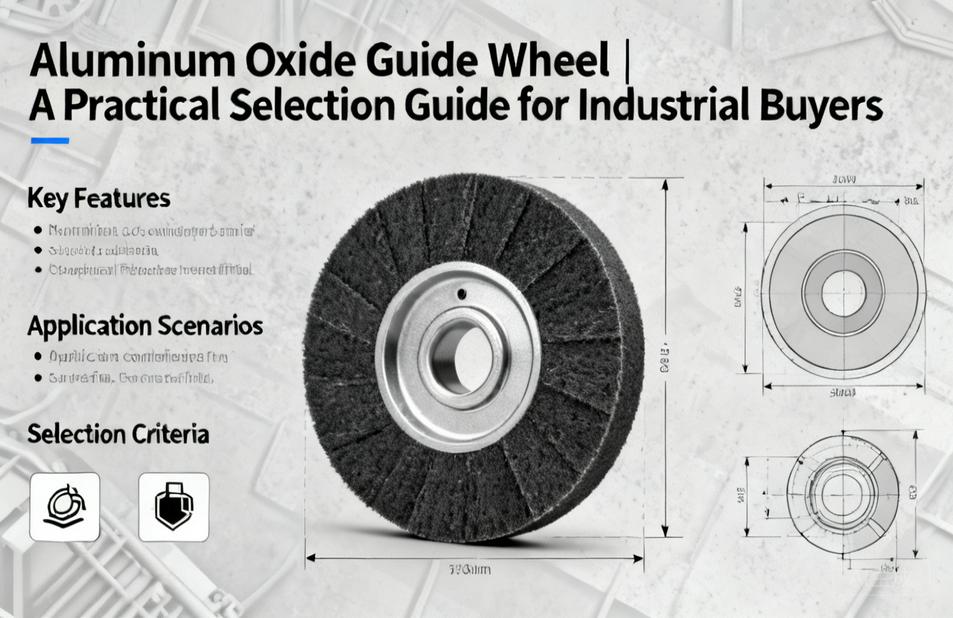
An aluminum oxide guide wheel is a coated or treated guide wheel used to control, support, or guide wire, cable, tape, tube, and similar moving materials in industrial production and processing equipment. Unlike plain metal or plastic guide wheels, the aluminum oxide surface is designed to improve wear resistance and friction control in demanding contact situations, which is why it appears in wire drawing lines, cable manufacturing, textile machinery, and automated material handling systems. For overseas buyers, the main questions usually focus on what the coating actually does, how to match the wheel to an existing machine, and how to source a reliable aluminum oxide guide wheel supplier for repeat orders.
What Is an Aluminum Oxide Guide Wheel?
An aluminum oxide guide wheel is typically made from an aluminum alloy body with an aluminum oxide surface layer applied through anodizing or a related surface treatment. The aluminum oxide layer is hard and abrasive-resistant, so it can tolerate continuous contact with moving wire, thread, or cable without wearing as quickly as untreated aluminum. In some designs, the aluminum oxide finish also provides controlled surface roughness that helps maintain tension and prevents the guided material from slipping sideways.
These wheels are often installed as pulleys, sheaves, rollers, or guide elements. Depending on the machine design, they may rotate on a bearing, a bushing, or a fixed shaft. The wheel does not generate motion by itself; its role is to keep the moving material on a defined path, reduce friction, and protect the material from damage at contact points.
How an Aluminum Oxide Surface Affects Performance
The aluminum oxide layer is the key differentiator compared with standard aluminum or steel guide wheels. It provides a harder contact surface, which can extend service life in applications where the wheel sees constant abrasion from wire or cable. The surface also resists scratching better than soft aluminum, so the wheel keeps a more consistent profile over time.
However, an aluminum oxide guide wheel is not automatically the right choice for every application. If the guided material is delicate, a rough or high-friction surface may cause surface marks. In those cases, a polished or coated wheel with a smoother finish may be more suitable. Buyers should match the surface finish to the material being guided, not simply choose the hardest available option.
Typical Industrial Applications
Aluminum oxide guide wheels are common in processes where continuous wire, cable, or thread must change direction or maintain tension. Examples include wire drawing and stranding equipment, cable and rope production, textile yarn guiding, welding wire feeding systems, and automated winding or spooling machines. They also appear in printing and packaging lines where web or tape guidance requires a durable contact surface.
- Wire and cable manufacturing: guiding wire through drawing, annealing, and stranding stages.
- Textile and yarn processing: controlling thread path and tension in spinning or twisting machines.
- Welding wire feeders: supporting consistent wire delivery without excessive wear.
- Coil winding and spooling: keeping material aligned during high-speed winding.
- General automation: acting as a low-friction or wear-resistant guide element in custom machinery.
Materials and Construction Details Buyers Should Check
Beyond the aluminum oxide surface, the wheel body and bearing arrangement determine how well the part fits a specific machine. Important factors include the wheel diameter, groove profile, bore size, and bearing type. The groove shape must match the wire or cable diameter: a V-groove, U-groove, or flat profile will behave differently in terms of contact area and material support.
The aluminum alloy grade also matters. A higher-strength alloy can resist deformation under load, while a lighter alloy may be preferred where weight affects machine dynamics. The aluminum oxide treatment method and thickness should be specified by the manufacturer based on the abrasion level of the application. Buyers should ask for dimensional drawings and tolerance information rather than relying on general descriptions alone.
How to Choose the Right Guide Wheel
Choosing an aluminum oxide guide wheel starts with the guided material. Record the wire or cable diameter, the expected line speed, the tension range, and the angle at which the material changes direction. These details determine the required groove profile and the load on the bearing.
Next, review the mounting interface. Confirm the shaft diameter, the required bore, and whether the wheel uses a plain bearing, ball bearing, or no bearing at all. A wheel that fits the shaft but has the wrong groove profile can still cause wire damage or tracking problems.
Finally, consider the operating environment. Dust, moisture, lubricants, and temperature can affect both the aluminum oxide layer and the bearing life. If the machine runs in a contaminated environment, sealed bearings or a different surface treatment may be more appropriate than a standard open design.
Custom and OEM Options
Many industrial guide wheels are not standard catalog items. As a result, custom and OEM production is common in this category. A manufacturer can produce wheels to a customer drawing, including specific diameters, groove geometries, bore sizes, and aluminum oxide surface specifications. OEM programs may also include private labeling, custom packaging, and batch-level traceability.
When requesting a custom aluminum oxide guide wheel, provide a clear drawing or sample, the material to be guided, the operating speed, and the expected annual volume. This information helps the factory recommend a suitable alloy, surface treatment, and bearing configuration without over-engineering the part.
Buying Considerations for Overseas Purchasers
Price should not be the only factor when comparing suppliers. Consistency in dimensions, surface treatment quality, and bearing assembly affects downtime and replacement frequency. A wheel that costs less but wears faster can increase maintenance costs in a continuous production line.
Buyers should also consider packaging and logistics. Guide wheels are precision parts, and poor packing can damage the aluminum oxide surface or the bearing during shipping. Request the supplier’s standard export packing details and confirm whether individual protection is provided for the contact surface.
How to Evaluate a Supplier or Factory
When evaluating an aluminum oxide guide wheel manufacturer or supplier, ask for dimensional drawings, material specifications, and surface treatment descriptions. A capable factory should be able to explain how the aluminum oxide layer is applied and how it is inspected. If the supplier cannot provide basic technical documentation, the order risk increases.
It is also useful to discuss sample lead times and small-batch trial orders. A supplier that supports samples and communicates clearly during the sampling stage is often easier to work with for long-term OEM production. Communication quality matters as much as machining capability in international sourcing.
Frequently Asked Questions
What is an aluminum oxide guide wheel used for?
It is used to guide, support, or change the direction of wire, cable, thread, or similar moving materials in industrial machines. The aluminum oxide surface improves wear resistance at the contact point.
Can aluminum oxide guide wheels be customized?
Yes. Many suppliers offer custom and OEM production based on customer drawings, including specific wheel dimensions, groove profiles, bore sizes, and surface treatment requirements.
How do I choose the correct groove profile?
Match the groove to the guided material diameter and the machine design. A V-groove, U-groove, or flat profile each provides different contact characteristics, so the machine manual or a sample wheel is a useful reference.
What information should I provide when requesting a quotation?
Provide the material type and diameter, operating speed, tension range, mounting dimensions, quantity, and any drawing or sample reference. This helps the supplier quote an accurate and suitable configuration.
Conclusion
Selecting an aluminum oxide guide wheel is a matter of matching the surface treatment and wheel geometry to the guided material and machine interface. Buyers should confirm groove profile, dimensions, bearing type, and operating environment before placing an order, and should work with a supplier that can support drawings, samples, and custom or OEM production. If you are sourcing guide wheels for wire, cable, textile, or automation equipment, contacting a qualified manufacturer with your application details is the most practical next step.
