

Coating Service Overview
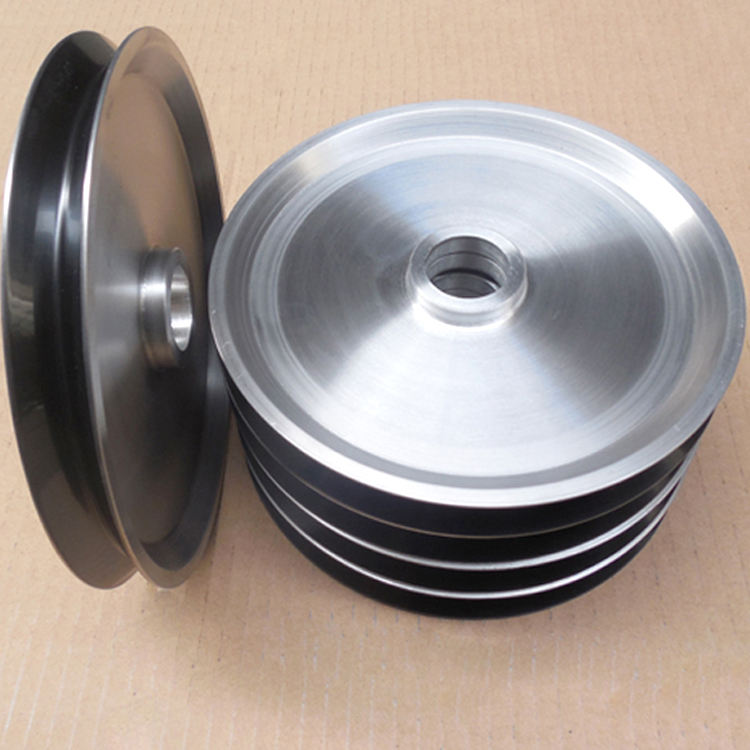
What Is a Ceramic Guide Wheel?
A ceramic guide wheel is a rotating guiding component used to route, support, tension, or position wire, cable, thread, tape, film, and optical fiber in industrial machinery. Instead of a steel or plastic contact surface, the working surface is made from an advanced ceramic material such as alumina (Al2O3) or zirconia (ZrO2), or from a metal body with a ceramic coating. The ceramic surface resists abrasion, heat, and chemical attack far better than conventional rollers in continuous sliding contact.
In practice, a ceramic guide wheel usually combines a ceramic contact ring or coated surface with a metal or composite hub and a precision bearing. The material passes over a smooth, low-drag rotating surface rather than sliding against a fixed part. This helps reduce tension fluctuation, surface scratching, and heat buildup in the process line.
Why Buyers Choose Ceramic Guide Wheels
Buyers typically specify ceramic guide wheels when wear resistance, low friction, and material purity matter more than the lowest initial cost. Key reasons include:
- Longer service life: Technical ceramics are extremely hard, so the wheel keeps its shape and surface finish much longer than metal or plastic alternatives in high-friction positions.
- Reduced product damage: A polished ceramic contact surface limits microscopic damage to delicate materials such as enameled wire, optical fiber, and thin film.
- Stable tension: Low-friction rotation helps maintain consistent tension and reduces vibration in high-speed lines.
- Chemical and heat resistance: Ceramics resist many chemicals and elevated temperatures that degrade polymer or metal surfaces.
Common Types and Configurations
Ceramic guide wheels are not a single product. The right choice depends on the material being guided, the load, the speed, and the mounting environment. Common configurations include:
- Solid ceramic guide wheel: A ceramic ring or full ceramic body for maximum wear resistance and purity. Often used in wire drawing, textile processing, and optical fiber lines.
- Ceramic coated aluminum guide wheel: An aluminum body with a ceramic surface layer. This combines low rotating mass with a wear-resistant contact surface, which supports faster acceleration and less load on bearings and shafts. It is typically used as a non-drive guiding or redirecting wheel where surface protection and low inertia are priorities.
- Ceramic groove guide wheel: A wheel with a machined V-shaped, U-shaped, or radiused groove on the outer diameter. The groove keeps the moving material centered during high-speed operation. Groove geometry should match the profile of the wire, cable, or fiber being guided.
- Hard oxide / anodized aluminum pulley: An aluminum wheel with a hard anodic oxide surface. This is a related but distinct option for applications where a hard, corrosion-resistant aluminum surface is sufficient.
How to Select a Ceramic Guide Wheel
Selection should start from the application, not from a catalog number. The following factors are the most important:
1. Material Being Guided
The contact surface must be compatible with the wire, cable, thread, tape, or fiber. Delicate materials such as enameled wire and optical fiber benefit from a very smooth, polished ceramic surface. Abrasive materials may require a harder ceramic grade or a specific surface finish.
2. Groove Geometry and Surface Finish
If the wheel has a groove, the groove radius or angle should match the material. A groove that is too narrow can pinch the wire; one that is too wide allows the wire to wander. Surface finish matters because a polished ceramic contact surface reduces friction and limits microscopic damage to the product.
3. Load, Speed, and Bearing Quality
The wheel usually rotates on a precision bearing. Bearing quality affects drag, noise, and service life. For high-speed lines, dynamic balance and low rotating mass become more important. A ceramic coated aluminum wheel may be preferred where low inertia is needed, while a heavier steel or solid ceramic wheel may suit high-load positions.
4. Dimensional Accuracy and Mounting
Tight dimensional tolerance ensures the wheel fits the shaft or bearing housing correctly and keeps the guide path stable. Bore size, outside diameter, width, and mounting style must be specified. Many suppliers offer OEM customization based on customer drawings.
5. Environment
Temperature, chemicals, humidity, and dust affect both the ceramic surface and the bearing. In aggressive environments, the bearing and hub materials may need as much attention as the ceramic contact surface.
Typical Applications
Ceramic guide wheels are common in:
- Wire drawing and wire winding machines
- Cable handling and coil winding equipment
- Textile processing and thread guiding systems
- Optical fiber processing lines
- Coating and film lines
- Automated material handling systems
In these systems, guide wheels are often paired with ceramic eyelets, ceramic pulleys, and ceramic guide rollers. In tension control assemblies, the wheel may be mounted on a load cell or dancer arm, which changes the required bore size and mounting style.
Practical Notes Before Ordering
- Match the wheel to the job: A ceramic coated aluminum wheel is not intended to replace heavy-duty steel pulleys in high-load drive applications. It is typically a non-drive guiding or redirecting wheel.
- Check the full assembly: The ceramic surface may outlast the bearing. Consider bearing type, lubrication, and replacement access.
- Confirm the drawing: For custom wheels, dimensions, tolerances, groove profile, and surface finish should be confirmed on a drawing before production.
- Ask for samples where possible: A sample run can reveal whether the surface finish and groove geometry suit the material being processed.
About This Guide
This guide is published by a manufacturer of ceramic guide wheels, tungsten carbide tower pulleys, and HVOF coating solutions. Product details, dimensions, and customization options are confirmed on a per-project basis against the customer drawing. For specific requirements, contact the manufacturer directly with your application details.
常见问题
What is a ceramic guide wheel used for?
A ceramic guide wheel is used to guide, support, tension, or position wire, cable, thread, tape, film, and optical fiber in industrial machinery. The ceramic contact surface resists abrasion and reduces friction compared with steel or plastic rollers.
What is the difference between a solid ceramic guide wheel and a ceramic coated aluminum guide wheel?
A solid ceramic guide wheel uses a ceramic ring or body for maximum wear resistance and material purity. A ceramic coated aluminum guide wheel uses an aluminum body with a ceramic surface layer, which reduces rotating mass and is typically used as a non-drive guiding or redirecting wheel where low inertia and surface protection are priorities.
How do I choose the right groove profile for a ceramic groove guide wheel?
The groove radius or angle should match the profile of the material being guided. A groove that is too narrow can pinch the wire, while one that is too wide allows it to wander. Surface finish also matters because a polished ceramic surface reduces friction and limits damage to delicate materials.
Can ceramic guide wheels be customized?
Many suppliers offer OEM customization based on customer drawings. Dimensions, bore size, groove geometry, surface finish, and mounting style can be specified. Confirm all requirements on a drawing before production.
What should I check before ordering a ceramic guide wheel?
Check the material being guided, groove geometry, surface finish, load and speed requirements, bearing quality, dimensional tolerance, and the operating environment. Also consider whether the wheel is a drive or non-drive component, and confirm the drawing for custom parts.
