

Coating Service Overview
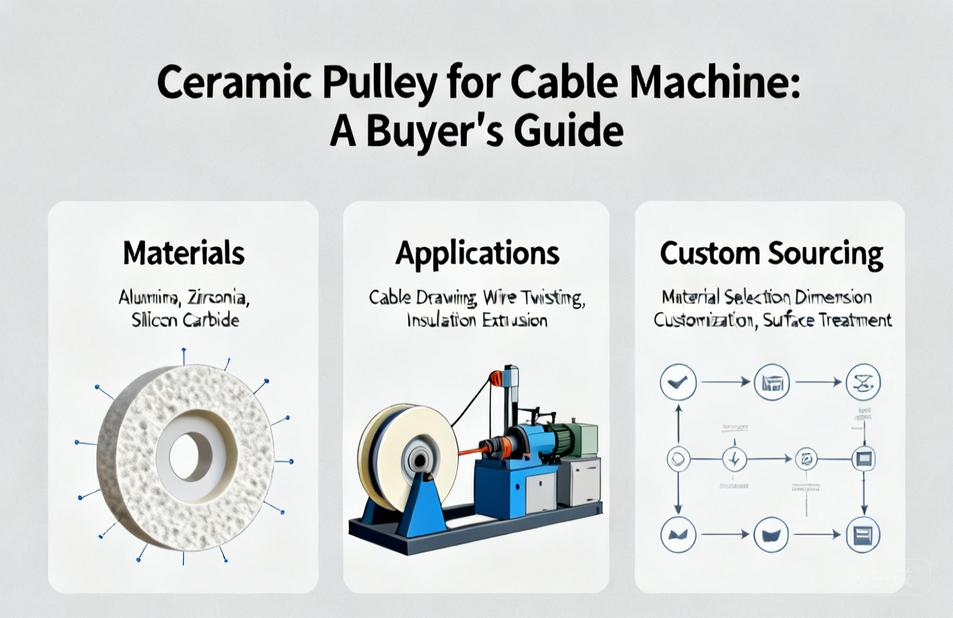
A ceramic pulley for cable machine is a specialized sheave or wheel used in cable-based fitness and industrial systems where smooth cable travel, low friction, and long service life are important. Unlike standard metal or plastic pulleys, ceramic pulleys are designed to reduce wear on both the cable and the pulley surface, making them a practical choice for high-frequency cable machines, functional trainers, and select industrial cable routing applications. For buyers sourcing components for gym equipment, OEM fitness lines, or replacement parts, understanding how ceramic pulleys differ from conventional options is the first step toward making a confident purchasing decision.
What Is a Ceramic Pulley for Cable Machine?
A ceramic pulley for cable machine is typically a grooved wheel with a ceramic-based contact surface or a ceramic-coated groove. The pulley guides steel cables, coated cables, or synthetic ropes through a defined path, allowing the cable to change direction while maintaining tension and alignment. In a cable machine, pulleys are usually mounted in a stack, on a frame, or at pivot points. The ceramic surface is chosen because it can offer a smoother interface than some metal pulleys, helping to reduce friction and noise while limiting abrasion on the cable.
The term ceramic pulley can refer to different constructions. Some pulleys use a solid ceramic insert or ceramic bearing surface. Others use a ceramic coating applied to a metal body. Each approach affects weight, cost, load behavior, and the type of cable the pulley is best suited for. Buyers should clarify the intended construction with the supplier before ordering, especially when the pulley will be used in a commercial gym or an industrial cable routing system.
Key Features and Benefits in Cable Machine Use
The main reason buyers consider ceramic pulleys is performance at the cable interface. A ceramic surface can provide a low-friction path that helps the cable move smoothly during both concentric and eccentric phases of an exercise. This can contribute to a more consistent feel for the user and may reduce the effort needed to overcome pulley drag.
Other potential benefits include:
- Reduced cable wear: a smooth ceramic groove can limit the abrasion that occurs when a cable rubs against a rougher surface.
- Corrosion resistance: ceramic materials are generally less affected by moisture and common gym environments than some untreated metals.
- Stable friction behavior: ceramic surfaces can maintain a consistent feel over many cycles, which is relevant for high-use cable machines.
- Lightweight options: depending on the design, a ceramic pulley may weigh less than a comparable all-metal pulley, which can matter in moving assemblies.
These features do not replace proper pulley sizing, alignment, or bearing selection. A ceramic pulley performs best when the entire cable path is correctly engineered.
Materials and Construction
Ceramic pulleys for cable machines are commonly built around a core material such as aluminum, steel, or engineering plastic. The ceramic element may be a coated groove, a pressed-in ceramic ring, or a ceramic bearing component. The choice of core affects strength, mounting options, and cost. For example, an aluminum core can help keep weight low, while a steel core may be selected for higher load capacity.
The groove profile is another important detail. It must match the cable diameter and type. A groove that is too wide can cause the cable to sit unevenly; a groove that is too narrow can pinch or damage the cable. Buyers should confirm the cable diameter, groove radius, and pulley outer diameter with the manufacturer. Bearing type also matters: sealed bearings are often preferred in dusty or humid environments, while open bearings may be acceptable in clean, controlled settings.
Typical Applications
Ceramic pulleys are used in a range of cable-driven systems. In fitness equipment, they appear in functional trainers, cable crossover machines, lat pulldown stations, and selectorized strength machines. In industrial settings, they can be found in cable routing assemblies, tensioning systems, and motion guidance where low friction and cable protection are priorities. The common thread is a need for smooth cable travel and durable performance under repeated cycling.
Because ceramic pulleys are often specified for higher-end or high-use equipment, buyers may also encounter them in OEM projects for commercial gyms, rehabilitation equipment, and specialty cable machines. In these cases, the pulley is usually part of a larger assembly, and the supplier must understand the full cable path, not just the pulley dimensions.
How to Choose the Right Ceramic Pulley
Selecting a ceramic pulley for cable machine applications involves more than matching a diameter. Buyers should start with the cable specification: diameter, construction, and expected load. Next, confirm the pulley groove profile, outer diameter, bore size, and mounting method. The bearing type and seal arrangement should match the operating environment.
Other factors include:
- Load capacity and safety factor required by the machine design.
- Operating speed and cycle frequency.
- Environmental conditions such as moisture, dust, or temperature.
- Compatibility with existing brackets, shafts, and guards.
- Maintenance and replacement interval expectations.
When in doubt, request dimensional drawings and material details from the supplier. A reliable manufacturer or supplier should be able to explain how the ceramic surface is produced and how it interacts with the intended cable.
Customization and OEM Options
Many ceramic pulley suppliers offer OEM and custom manufacturing for cable machine builders. Customization can include specific outer diameters, bore sizes, groove profiles, mounting features, and branding. Some factories can produce pulleys to match an existing sample or drawing. For buyers developing a new cable machine, involving the pulley supplier early can help avoid alignment and wear issues later.
Custom options may also include different core materials, bearing selections, and surface treatments. It is important to discuss tolerances and inspection criteria upfront, especially for safety-related components. A supplier experienced in fitness equipment or industrial cable systems can often recommend practical modifications that improve cable life without adding unnecessary cost.
Buying Considerations and Supplier Selection
When evaluating a ceramic pulley manufacturer or supplier, look for clear communication, consistent quality, and the ability to support both standard and custom orders. Ask for dimensional drawings, material specifications, and sample availability. If the pulley is intended for a commercial product, confirm that the supplier can maintain batch consistency and provide replacement parts over time.
Consider the supplier’s experience with cable machine applications. A factory that understands cable diameters, groove design, and bearing selection can help reduce integration problems. Also review packaging, labeling, and shipping requirements if the pulleys will be installed in different markets. For OEM projects, clarify intellectual property terms, tooling ownership, and change notification procedures.
Frequently Asked Questions
What is the advantage of a ceramic pulley over a standard metal pulley?
A ceramic pulley can offer a smoother cable interface, which may reduce friction and cable wear in high-use cable machines. The actual benefit depends on the pulley design, cable type, and operating conditions.
Can ceramic pulleys be customized for my cable machine?
Yes. Many manufacturers and suppliers offer custom sizes, groove profiles, bore dimensions, and mounting features. Provide drawings or samples so the supplier can match your requirements.
How do I choose the correct pulley size for my cable machine?
Start with the cable diameter, load, and routing geometry. The pulley groove must match the cable, and the outer diameter should be suitable for the cable bend radius. Confirm dimensions with the supplier before ordering.
Are ceramic pulleys suitable for industrial cable systems?
They can be used in industrial cable routing and tensioning applications where low friction and cable protection are important. The selection should be based on load, speed, environment, and cable type.
Conclusion
A ceramic pulley for cable machine use is a focused component that can influence cable life, smoothness, and overall equipment feel. Buyers should prioritize correct groove geometry, compatible materials, and a supplier who understands the full cable system. Whether you are sourcing replacement pulleys or developing a new OEM cable machine, clear specifications and early supplier involvement can make the selection process more efficient. If you have a specific cable diameter, pulley drawing, or custom requirement, contact a qualified manufacturer or supplier to discuss your application and confirm the right ceramic pulley configuration.
