

Coating Service Overview
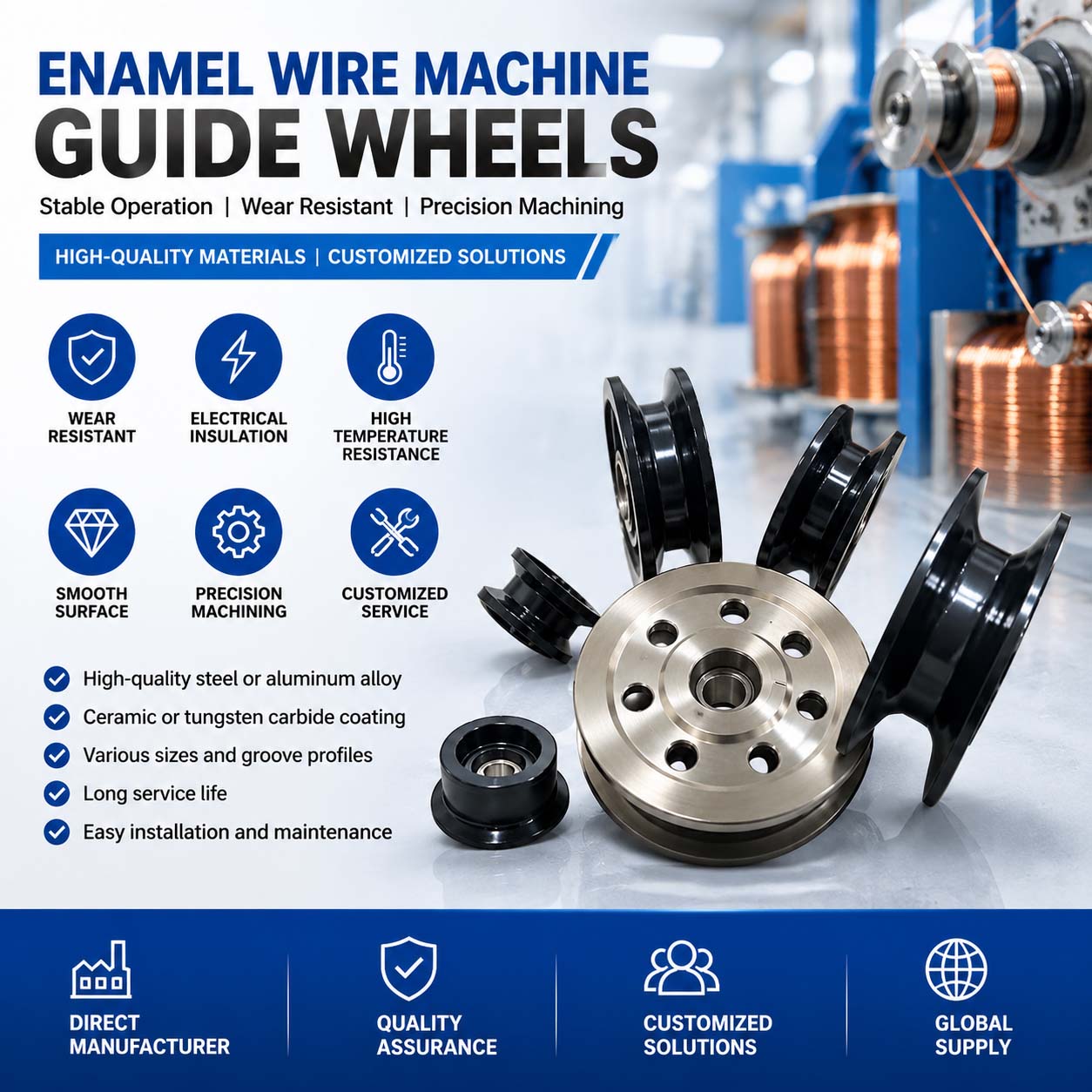
In enamel wire production, guide wheels are critical components that continuously contact the wire under high-speed operation. They are exposed to constant friction, elevated temperatures, and chemical erosion from insulating varnish. To improve service life and maintain enamel wire surface quality, thermal spray technologies such as ceramic insulation coating and tungsten carbide coating are widely used for guide wheel surface protection.
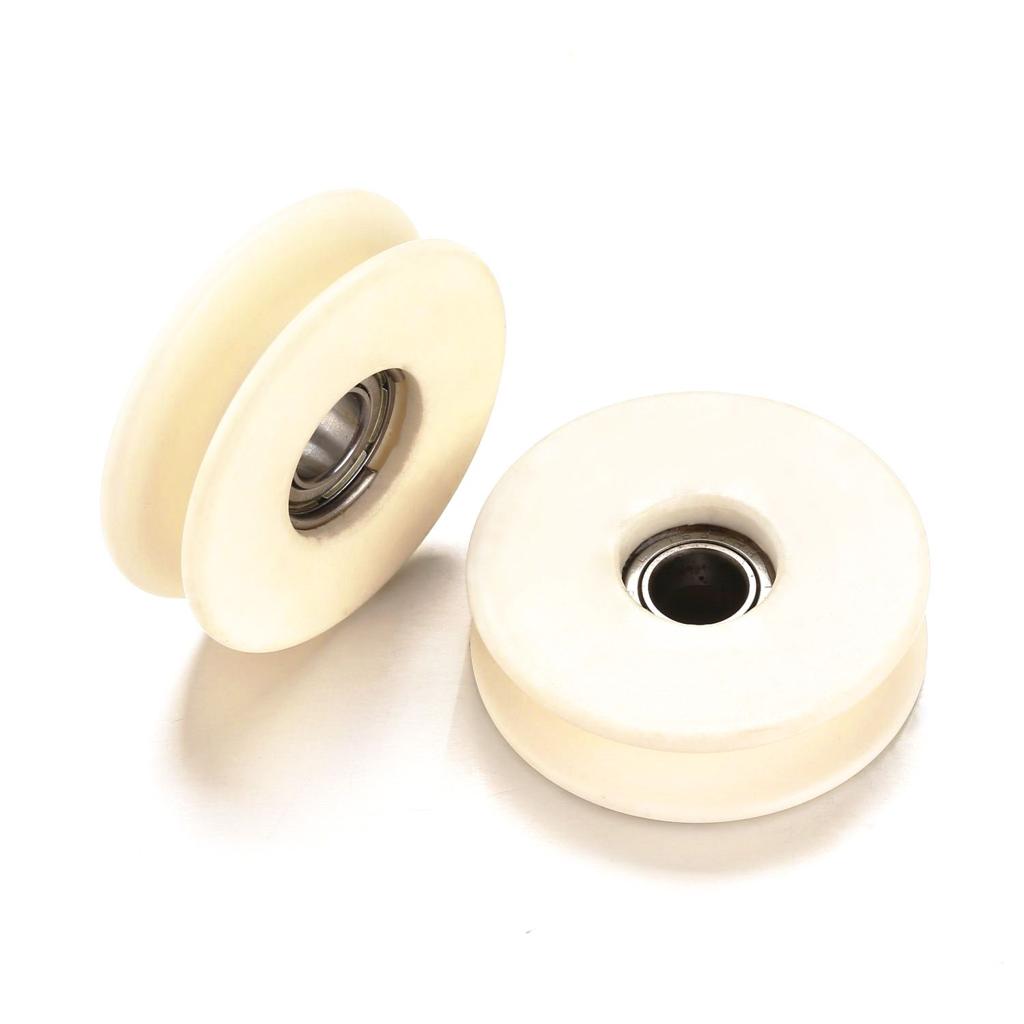
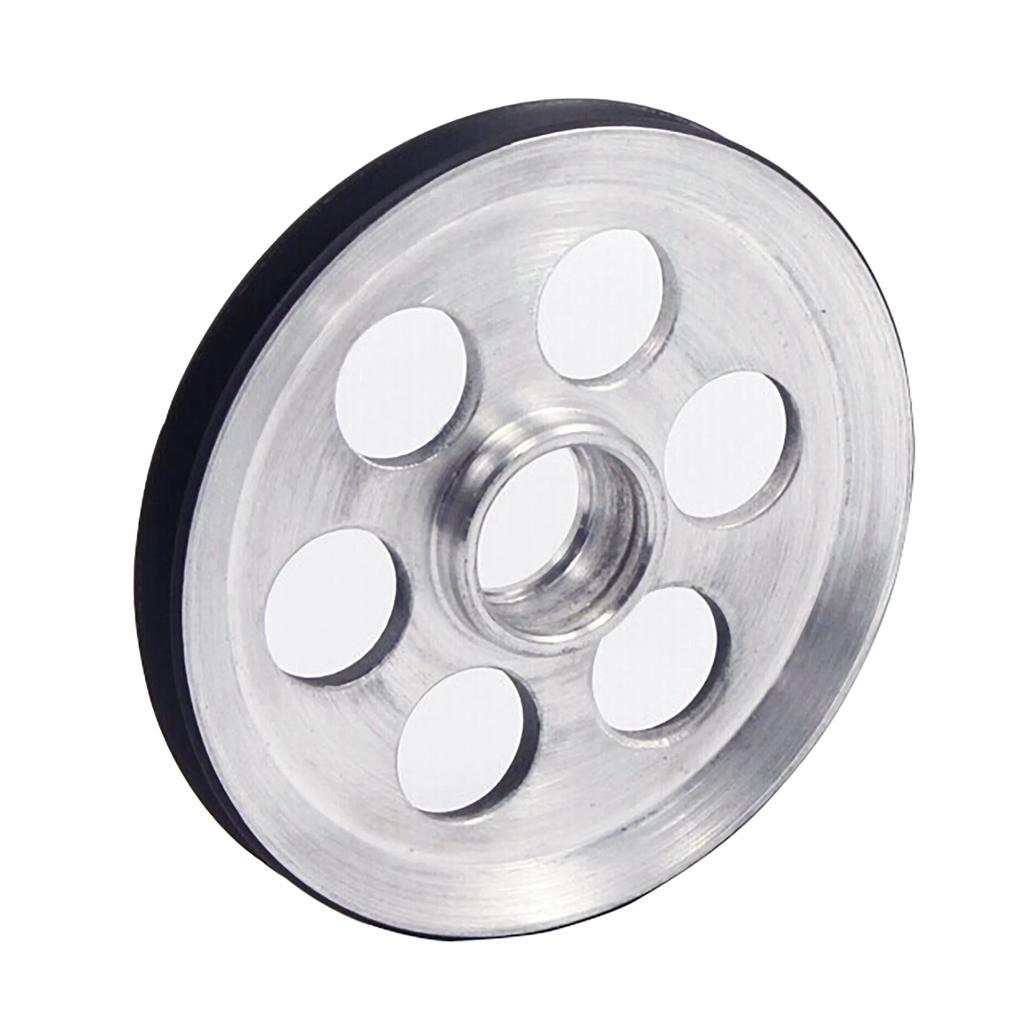
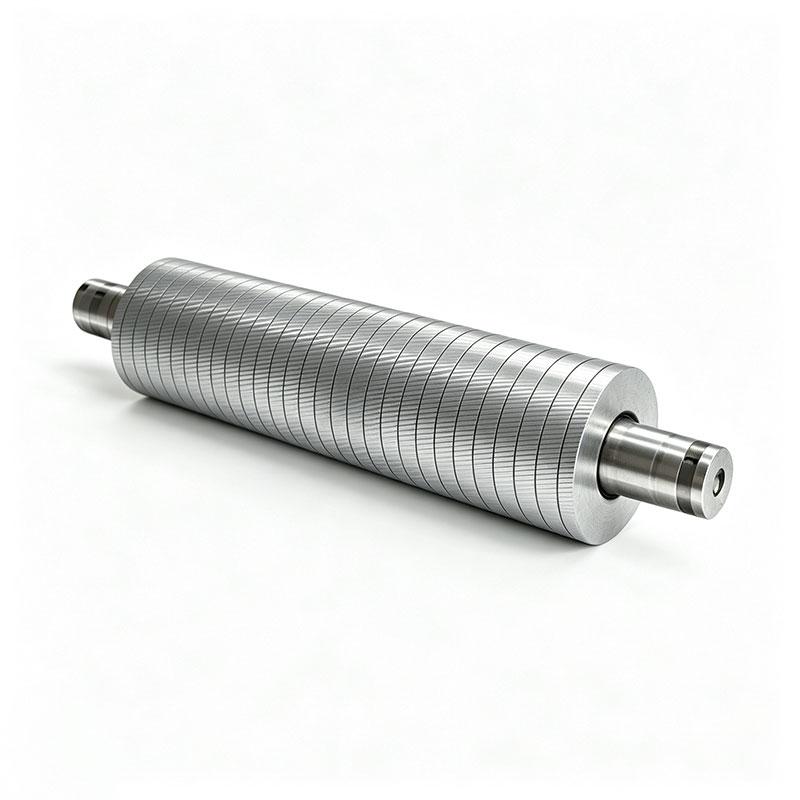
Coating Process and Material Selection
Ceramic Insulation Coating
Insulation coatings are mainly applied to guide wheels that require electrical isolation. They help prevent current leakage and electrical interference during enamel wire processing.
Common coating materials include aluminum oxide (Al₂O₃) and chromium oxide (Cr₂O₃) ceramic materials. Through advanced thermal spray processes such as plasma spraying or HVOF (High Velocity Oxygen Fuel) spraying, a dense coating layer with excellent dielectric strength, wear resistance, and corrosion resistance can be achieved.
Ceramic insulation coatings are ideal for enamel wire production lines where electrical insulation and high-temperature stability are essential.
Tungsten Carbide Coating
Tungsten carbide coating is well known for its outstanding hardness and wear resistance. It is mainly applied to the groove and contact areas of guide wheels where direct wire friction occurs.
Using HVOF spraying technology, tungsten carbide coatings provide:
- High hardness (typically HV1100–1300);
- Low porosity and strong bonding strength;
- Excellent wear resistance;
- Reduced wire surface damage and extended component life.
This coating solution is widely used for high-speed enamel wire machines, drawing equipment, and other precision wire processing applications.
Applications and Advantages
Coated guide wheels are suitable for various horizontal and vertical enamel wire production lines, especially high-speed wire processing and multi-stage coating systems.
Main advantages include:
- Extended service life by improving surface hardness and wear resistance;
- Reduced friction coefficient to minimize wire vibration and breakage;
- Improved electrical insulation performance to prevent electrical interference and corrosion;
- Excellent high-temperature resistance for harsh production environments.
Guide Wheel Coating Selection Guide
The proper coating solution depends on:
- Wire material and diameter;
- Operating speed;
- Wire tension;
- Type of insulating varnish;
- Working temperature;
- Required surface roughness and dimensional accuracy.
Before coating, customers should provide:
- Guide wheel material and dimensions;
- Drawing or technical specifications;
- Required coating thickness;
- Surface finish requirements;
- Electrical insulation requirements (if applicable).
For special designs such as multi-groove guide wheels, customized coating services can ensure uniform coverage and accurate performance.
Maintenance and Repair
During operation, coated guide wheels should be regularly inspected to prevent coating damage that may affect wire quality.
For worn components, professional refurbishment processes are available, including:
- Coating removal;
- Surface preparation;
- Re-spraying;
- Precision grinding and finishing.
Proper maintenance can restore original dimensions and significantly reduce replacement costs.
Frequently Asked Questions
What is the difference between tungsten carbide and ceramic coating?
Tungsten carbide coating provides superior wear resistance and hardness, making it suitable for high-friction contact areas. Ceramic coating offers excellent electrical insulation, heat resistance, and corrosion protection, making it ideal for electrically isolated applications.
Can old guide wheels be recoated?
Yes. After surface cleaning, coating removal, and proper pretreatment, old guide wheels can be recoated to restore their performance and extend service life.
Does thermal spraying affect guide wheel accuracy?
Professional thermal spraying has minimal impact on dimensional accuracy. After coating, precision grinding is usually performed to achieve the required size and surface finish.
How to choose a reliable coating supplier?
A professional supplier should have advanced equipment such as HVOF and plasma spraying systems, strict quality inspection processes, and experience with wire processing components.
With advanced thermal spray technology, enamel wire machine guide wheels can achieve higher wear resistance, better insulation performance, and longer operating life, helping manufacturers improve production efficiency and reduce maintenance costs.
