

Coating Service Overview
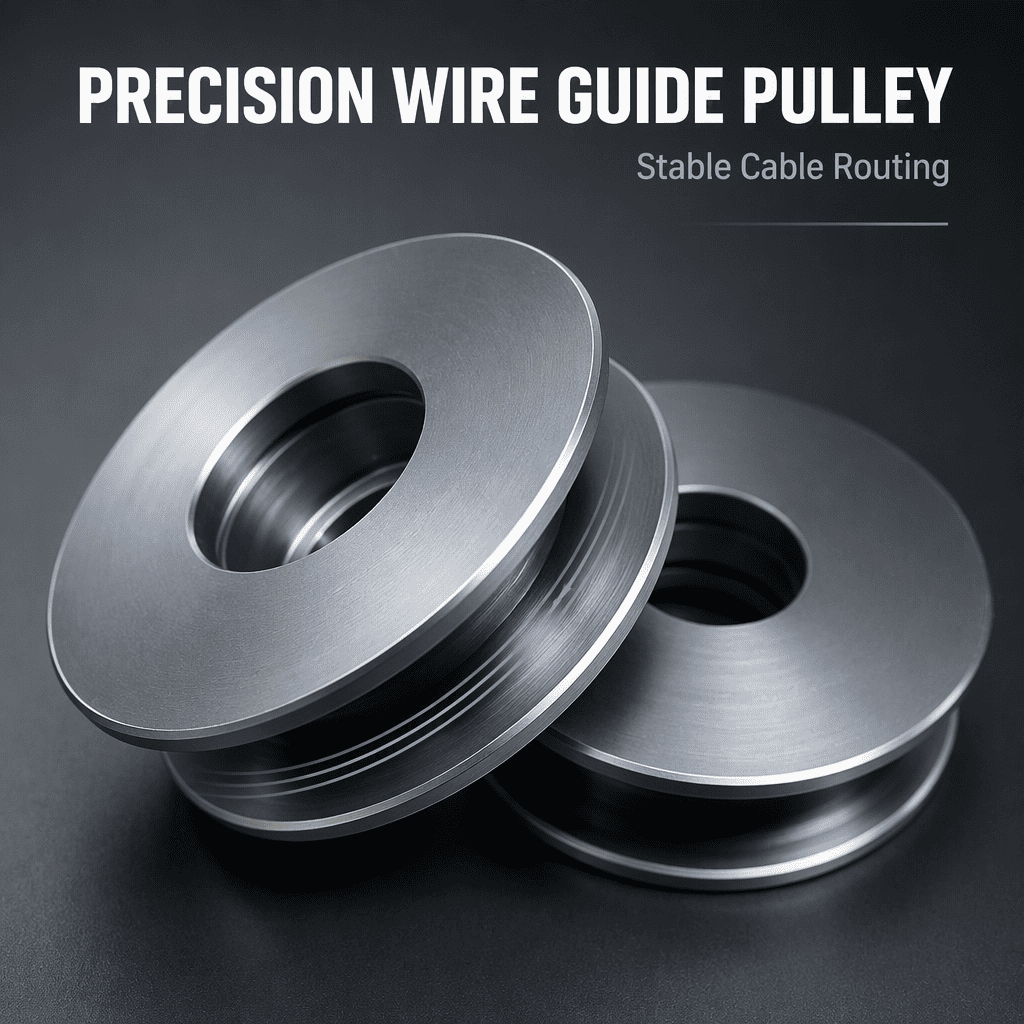
What Is a Ceramic Guide Wheel and How Is It Used in Wire and Cable Production?
A ceramic guide wheel is a rotating or fixed wheel with a ceramic contact surface — typically an outer ring or grooved rim — mounted on a metal bearing, shaft, or bushing. In wire and cable production, it routes, tensions, and aligns wire or cable as the material moves through drawing, annealing, coating, stranding, winding, and take-up processes. The ceramic surface contacts the moving wire directly, so it must reduce friction, resist wear, and avoid scratching or contaminating the wire surface.
Unlike metal guide wheels, ceramic guide wheels are chosen where surface quality and long-term groove stability matter. They are common in wire drawing machines, coil winding equipment, cable manufacturing lines, optical fiber processing, and automated wire handling systems.
How a Ceramic Guide Wheel Works in Wire and Cable Production
In a wire or cable line, the guide wheel performs several functions at once:
- Path control: The groove profile keeps the wire or cable on a defined path as it changes direction between capstans, dancers, and take-up reels.
- Tension management: Low-friction rotation reduces drag, which helps stabilize tension and reduces variation that can affect diameter, elongation, or coating thickness.
- Surface protection: A smooth ceramic contact surface reduces the risk of micro-scratches, flattening, or contamination on fine wire, enameled wire, and cable conductors.
- Wear resistance: Ceramic materials maintain groove shape over long production runs, which helps keep the wire path consistent and reduces machine downtime for replacement.
The wheel itself usually consists of an outer rim with a groove matched to the wire or cable diameter, a central bore or bearing seat, and sometimes an integrated bearing. The groove shape, width, surface finish, and bore tolerance directly affect how the material tracks and whether it is deformed or damaged.
Where Ceramic Guide Wheels Are Used
Typical wire and cable production applications include:
- Wire drawing and enameling lines
- Cable and wire harness production
- Coil winding and capacitor winding equipment
- Optical fiber processing and cable handling systems
- Stranding, bunching, and take-up lines
- Automated wire cutting, stripping, and processing stations
In each case, the guide wheel must match the line speed, material tension, wire diameter, and ambient conditions of the equipment. A wheel that works well for heavy cable may not be suitable for micro wire, and vice versa.
Selection Logic: What Buyers and Engineers Should Evaluate
When specifying a ceramic guide wheel for wire and cable production, procurement teams and engineers typically focus on the following points:
- Groove profile: Matched to wire or cable diameter and shape to ensure stable guidance without pinching or lateral movement.
- Surface finish: Smooth and consistent to reduce friction and prevent micro-scratches on delicate surfaces.
- Material selection: Technical ceramic for wear resistance and chemical stability; the specific ceramic grade should be confirmed with the supplier based on the application.
- Bore and outer diameter tolerance: Holds tolerance so the wheel runs true on its shaft or bearing.
- Bearing or bushing performance: Smooth rotation minimizes vibration and wire flutter at high speeds.
- Chemical stability: Suitable for processes involving lubricants, coatings, or cleaning agents.
- Customization: OEM or custom dimensions, groove profiles, and mounting styles may be required for specific equipment.
Because wire can be soft or hard, thin or thick, and may carry insulation or coatings, the guide wheel design must suit the specific wire and process. A supplier that understands these variables can recommend the appropriate wheel geometry and material rather than offering a one-size-fits-all solution.
Practical Notes for Wire and Cable Production
- Match the wheel to the wire: Fine wire and micro wire require tighter tolerances and smoother groove finishes than heavy cable.
- Check alignment: Misalignment can cause the wire to ride up the groove wall, leading to tension variation or surface damage.
- Consider the environment: Lubricants, solvents, and cleaning agents can affect wheel life and material compatibility.
- Plan for maintenance: Even wear-resistant ceramic wheels should be inspected for groove wear, bearing condition, and contamination.
- Confirm customization capability: If standard sizes do not fit, ask about OEM or custom manufacturing before assuming a standard part will work.
About This Guide
This article is published by a manufacturer of ceramic guide wheels, tungsten carbide tower pulleys, and HVOF-coated components. For standard or custom ceramic guide wheels for wire and cable production, you can review product information at https://www.spravon.com/ or contact the manufacturer directly with your wire diameter, line speed, and mounting requirements.
Frequently Asked Questions
What is a ceramic guide wheel used for?
A ceramic guide wheel is used to route, tension, and align wire, cable, fiber, thread, or strip material in production equipment. In wire and cable production, it helps control the wire path, reduce friction, and protect the wire surface from scratches or deformation.
Why use ceramic instead of metal for a guide wheel?
Ceramic materials offer high hardness and low friction, which helps protect delicate wire surfaces and reduces the risk of scratching, flattening, or contamination. Ceramic guide wheels also resist abrasion and can maintain a smooth contact surface over long production runs.
What wire and cable processes use ceramic guide wheels?
Common processes include wire drawing, enameling, annealing, coating, stranding, bunching, coil winding, optical fiber processing, and take-up. They are also found in automated wire cutting, stripping, and processing stations.
How do I choose the right ceramic guide wheel for my line?
Start with the wire or cable diameter, line speed, tension, and mounting style. Then evaluate groove profile, surface finish, bore and outer diameter tolerance, bearing performance, and chemical compatibility with lubricants or coatings used in your process. Custom or OEM dimensions may be needed for specific equipment.
Can ceramic guide wheels be customized?
Yes. Many suppliers offer OEM or custom manufacturing for dimensions, groove profiles, and mounting styles. Buyers should confirm customization capability and tolerances with the manufacturer before ordering.
What should I check during maintenance?
Inspect the groove for wear or damage, check bearing rotation for smoothness and vibration, and look for contamination from lubricants, coatings, or debris. Replacing a worn wheel before it damages the wire can help avoid production defects and downtime.
