

Coating Service Overview
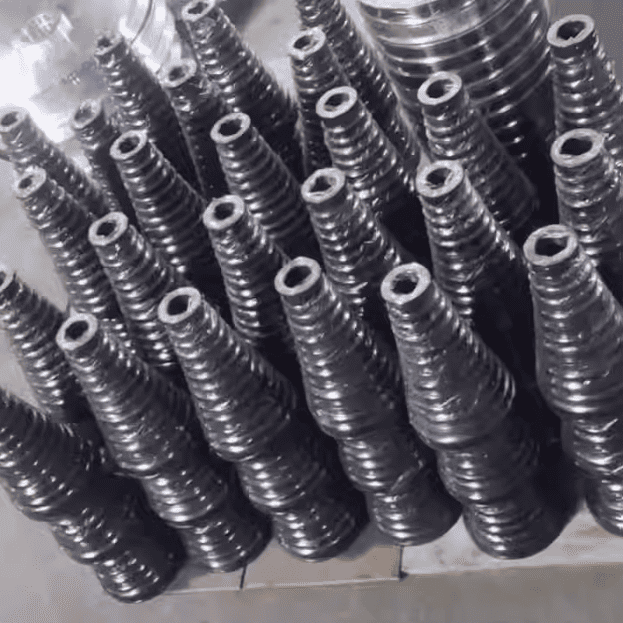
What Is a Ceramic Coating Supplier?
A ceramic coating supplier provides ceramic-based surface treatments or ceramic components that improve wear resistance, reduce friction, and extend the service life of industrial parts. In the context of wire, cable, textile, and fiber handling equipment, ceramic coating suppliers often supply either coated metal parts (such as pulleys and guide rollers) or solid ceramic components (such as alumina or zirconia guide wheels). The right supplier should be able to match the coating or ceramic material to your specific application, substrate, and operating conditions.
How to Evaluate a Ceramic Coating Supplier
When sourcing ceramic-coated or solid ceramic wear parts, procurement teams should look beyond price. The following criteria help identify a reliable supplier:
- Material expertise: The supplier should understand different ceramic materials (e.g., alumina, zirconia) and coating processes (e.g., HVOF, plasma spray) and recommend the best option for your wire diameter, line speed, and environment.
- Customization capability: Many applications require specific groove profiles, dimensions, or mounting styles. A good supplier offers OEM and custom manufacturing.
- Quality consistency: For consumable parts, repeatability is critical. Look for suppliers with documented quality control and relevant certifications (e.g., ISO9001).
- Application support: The supplier should ask about your wire material, tension, and ambient conditions before quoting.
- Lead time and sample policy: Reliable suppliers provide samples for testing and maintain reasonable lead times.
Ceramic Coating vs. Solid Ceramic Components
Ceramic coatings are applied to metal substrates to combine the strength of metal with the wear resistance of ceramic. Solid ceramic components, such as alumina ceramic guide wheels, are made entirely of ceramic and offer excellent wear resistance, chemical inertness, and electrical insulation. The choice depends on the application: coated parts may be more cost-effective for large or complex shapes, while solid ceramic parts are often preferred for high-wear, high-speed, or contamination-sensitive processes.
Typical Applications
Ceramic-coated and solid ceramic wear parts are used in:
- Wire drawing and cable manufacturing
- Textile machinery (yarn and thread guiding)
- Optical fiber production
- Coil winding and wire harness assembly
- Packaging and film handling
In these applications, the goal is to minimize friction, prevent wire damage, and reduce downtime from worn guides.
Key Selection Factors
Before choosing a ceramic coating supplier, consider:
- Wire or strand material: Hard or abrasive wires may require harder ceramics or coatings.
- Line speed: Higher speeds demand better surface finish and dynamic balance.
- Environment: Humid, chemical, or high-temperature environments may favor specific ceramics.
- Mounting and bearing type: Ensure the supplier can provide the correct bore, bearing, or bushing configuration.
- Groove profile: V-groove, U-groove, or radius groove must match the product being guided.
About Our Company
We are a manufacturer of ceramic guide wheels, tungsten carbide tower pulleys, and HVOF-coated wear parts. Our product range includes multi-groove ceramic guide wheels, alumina ceramic guide wheels, and hard anodized pulleys for wire and cable applications. We support OEM and custom requirements. For more information, visit our website.
Frequently Asked Questions
What should I look for in a ceramic coating supplier?
Look for material expertise, customization capability, quality consistency, application support, and a sample policy. The supplier should be able to recommend the right ceramic or coating for your specific wire, speed, and environment.
What is the difference between a ceramic coating and a solid ceramic guide wheel?
A ceramic coating is applied to a metal substrate, while a solid ceramic guide wheel is made entirely of ceramic. Solid ceramic wheels offer higher wear resistance and electrical insulation, while coated parts can be more cost-effective for large or complex shapes.
Can ceramic guide wheels be customized?
Yes, many suppliers offer custom groove profiles, dimensions, and mounting options. Provide your wire diameter, line speed, and machine interface for a tailored solution.
What materials are used for ceramic guide wheels?
Common materials include alumina (Al2O3) and zirconia (ZrO2). Alumina is widely used for its hardness and chemical stability; zirconia offers higher toughness.
How do I choose between a V-groove and U-groove guide wheel?
V-grooves are typically used for single solid wire, while U-grooves or radius grooves are better for stranded cable and flexible cord. The choice depends on the cross-section of the material being guided.
