

Coating Service Overview
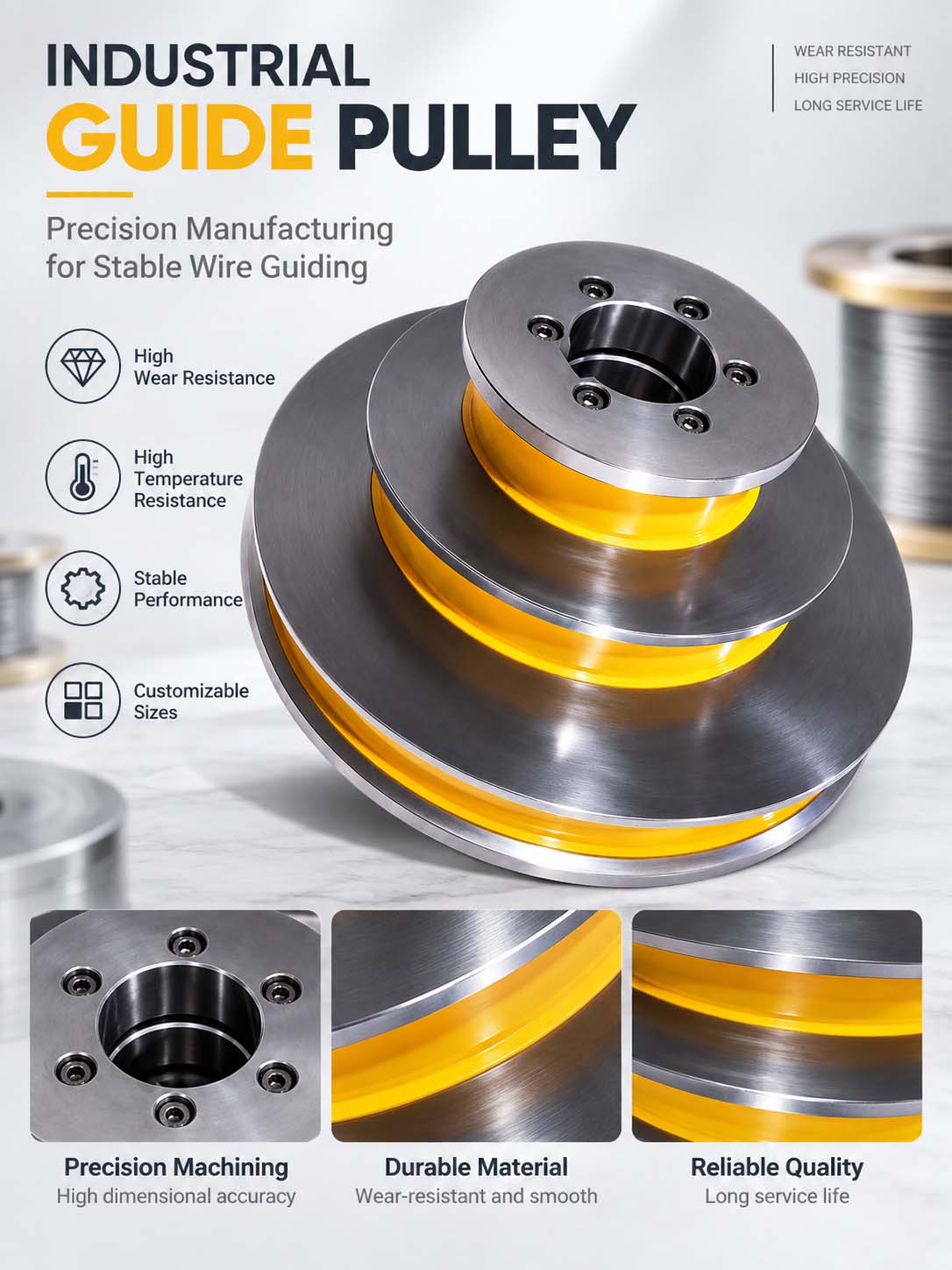
In annealing equipment and various wire conveying systems, wire guide rollers are critical components that directly affect production efficiency and product quality. During operation, guide rollers continuously contact moving wires and are exposed to friction, high temperatures, and possible corrosion.
Ceramic wire guide rollers, manufactured through ceramic spraying or full ceramic processing, provide excellent wear resistance, heat resistance, and corrosion protection. They are widely used in metal wire processing, optical fiber production, and cable manufacturing.
This article introduces ceramic wire guide rollers, wear-resistant components for annealing equipment, and ceramic coating processing solutions.
Features and Applications of Ceramic Wire Guide Rollers
Ceramic wire guide rollers are commonly manufactured using either:
- A metal substrate with a ceramic coating applied by thermal spray technology
- Fully ceramic materials produced through high-temperature sintering
Main advantages include:
Excellent Wear Resistance
Ceramic coatings provide high surface hardness and effectively resist wear caused by high-speed wire movement, significantly extending service life.
High Temperature Resistance
Ceramic materials remain stable under high-temperature conditions such as annealing processes and are resistant to deformation and softening.
Smooth Surface Performance
The low friction surface reduces wire scratches and improves the surface quality of finished products.
Corrosion Resistance
Ceramic coatings provide excellent resistance against oxidation, moisture, and many acidic or alkaline environments.
Typical applications include:
- Wire guide rollers and tension rollers in steel and copper wire annealing lines
- Guide rollers in optical fiber drawing equipment
- Yarn guides in textile machinery
- High-temperature wear-resistant rollers in industrial equipment
Ceramic Coating Processing Technology
Ceramic coating is an advanced surface treatment method used to manufacture ceramic guide rollers and other wear-resistant components.
Common processes include:
- Plasma spraying
- HVOF (High Velocity Oxygen Fuel) spraying
Common coating materials:
- Aluminum oxide (Al₂O₃)
- Chromium oxide (Cr₂O₃)
- Zirconium oxide (ZrO₂)
Plasma Spraying
Suitable for large-area coatings and ceramic materials requiring good adhesion and cost efficiency.
HVOF Spraying
Produces highly dense coatings with strong bonding strength and low porosity, making it suitable for applications requiring superior wear resistance.
Before spraying, the substrate is cleaned and sandblasted to improve coating adhesion. After coating, grinding and polishing can be performed to achieve required dimensions and surface finish.
Selection and Maintenance of Annealing Equipment Wear Parts
When selecting ceramic guide rollers or coated components, consider the following factors:
Wire Material and Diameter
Different wire materials require different groove designs, hardness levels, and surface finishes.
Operating Speed
High-speed applications require high-precision rollers with excellent dynamic balance.
Working Temperature
Annealing temperatures determine the required temperature resistance of coating materials and substrates.
Working Environment
If corrosive gases or liquids are present, suitable corrosion-resistant ceramic materials should be selected.
Maintenance Recommendations
To extend service life:
- Regularly inspect roller surfaces for wear, grooves, or coating damage.
- Keep roller surfaces clean and prevent abrasive particles from entering the contact area.
- Ensure bearings operate smoothly to avoid uneven loading.
- Repair worn coatings through thermal spray refurbishment when necessary.
Frequently Asked Questions
What are the advantages of ceramic guide rollers compared with metal rollers?
Ceramic guide rollers provide higher surface hardness, better wear resistance, and lower friction than hardened steel or chrome-plated rollers. They reduce wire damage and maintain stable performance at high temperatures.
Will ceramic coatings peel off?
With proper surface preparation and correct spraying parameters, ceramic coatings have strong adhesion and remain stable under normal operating conditions. Severe impact, substrate deformation, or improper processing may cause local peeling.
Can ceramic wire guide rollers be repaired?
Yes. If only the coating is worn, the damaged layer can be removed, recoated, and precision-machined to restore dimensions and performance. Repair is usually more economical than replacement.
How should ceramic coating materials be selected?
Selection depends on operating conditions:
- Aluminum oxide coating: General wear-resistant applications with good cost performance.
- Chromium oxide coating: Better wear resistance and corrosion protection.
- Zirconia coating: Suitable for high-temperature and thermal shock environments.
What is the service life of ceramic guide rollers?
Service life depends on wire material, speed, tension, temperature, and operating environment. Under normal conditions, ceramic guide rollers can provide several times longer service life than conventional metal rollers.
What is the delivery time for ceramic coating processing?
Lead time depends on component size, quantity, and coating requirements. The final delivery schedule should be confirmed according to specific processing conditions.
