

Coating Service Overview
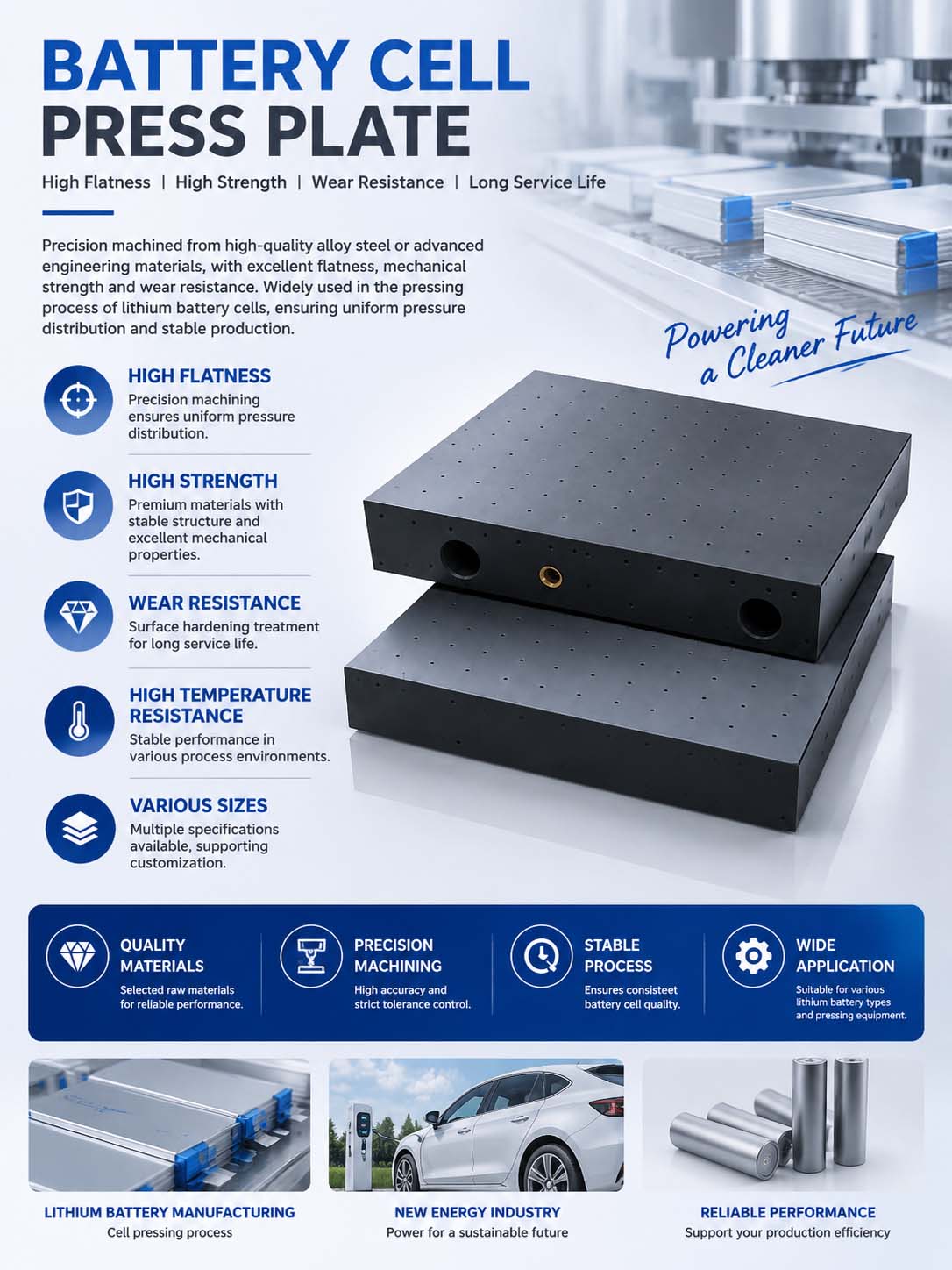
In lithium battery electrode manufacturing and cable annealing processes, components such as battery cell press plates and rollers are exposed to continuous mechanical friction and high-temperature environments. Surface wear, oxidation, and corrosion can significantly affect production efficiency and product quality.
By applying advanced ceramic coating technology, high-performance ceramic layers can be formed on metal surfaces, providing excellent wear resistance, corrosion resistance, and high-temperature protection. This helps extend component service life, reduce replacement frequency, and minimize production downtime.
Applicable Components and Substrates
Ceramic coating technology is suitable for various metal press plates and rollers, including:
Common substrates:
- Carbon steel (45# steel)
- Aluminum alloy
- Stainless steel
Typical applications:
- Lithium battery cell press plates
- Battery electrode guide rollers and heating rollers
- Slitting rollers
- Rollers used in annealing furnaces and wire drawing annealing equipment
Ceramic Coating Materials and Performance
Different ceramic materials can be selected according to operating conditions:
Chromium Oxide (Cr₂O₃) Ceramic Coating
Provides excellent wear resistance and surface hardness, suitable for high-friction applications.
Aluminum Oxide (Al₂O₃) Ceramic Coating
Offers good high-temperature resistance and electrical insulation performance.
Tungsten Carbide (WC) Coating
Features extremely high hardness, excellent wear resistance, and impact resistance for severe working conditions.
Ceramic coatings have strong bonding strength and low porosity, effectively protecting the metal substrate from wear and corrosion.
Thermal Spray Process and Quality Control
We use advanced thermal spray technologies, including plasma spraying and High Velocity Oxygen Fuel (HVOF) spraying, to apply ceramic materials onto pre-treated metal surfaces, forming dense and durable protective coatings.
The process includes:
- Surface cleaning and roughening of the substrate
- Application of bonding layer (if required)
- Ceramic top coating spraying
- Surface finishing and quality inspection
Each batch is inspected for coating thickness, bonding strength, and surface roughness to ensure consistent quality and performance.
Application Benefits
For lithium battery cell press plates, ceramic coatings effectively reduce adhesion wear between the plate and electrode materials, improving service life and reducing maintenance frequency.
For annealing equipment rollers, ceramic coatings provide excellent resistance to high-temperature oxidation and prevent surface defects that may cause scratches or damage to wires.
Compared with uncoated components, ceramic-coated parts can achieve significantly longer service life, depending on actual operating conditions.
Selection and Maintenance Guidelines
When selecting a suitable coating solution, consider:
- Operating temperature: Choose coating materials according to the actual temperature range.
- Friction conditions: Consider the contact material and wear characteristics.
- Corrosion environment: Evaluate exposure to chemicals, moisture, or other corrosive factors.
- Dimensional accuracy: Allow sufficient machining tolerance before coating application.
Maintenance recommendations:
- Regularly inspect the coating surface for abnormal wear or damage.
- Avoid using hard tools that may scratch the coating.
- Prevent impact and moisture exposure during storage.
Frequently Asked Questions
Will ceramic coatings peel off?
With proper surface preparation and spraying processes, ceramic coatings provide strong adhesion and are not easy to peel under normal operating conditions.
What is the typical coating thickness?
The standard thickness is usually 0.1–0.5 mm and can be adjusted according to application requirements.
Can worn rollers be repaired?
Yes. Old coatings and damaged surface layers can be removed, followed by re-coating to restore dimensions and performance.
Can ceramic coatings be applied to all metals?
Most metals, including steel, aluminum alloys, and stainless steel, can be coated. The coating material and process should be selected according to the substrate properties and working environment.
How to choose the right coating material?
Please provide operating parameters such as temperature, load, friction conditions, and working environment. Our engineers can recommend the most suitable coating solution.
