

Coating Service Overview
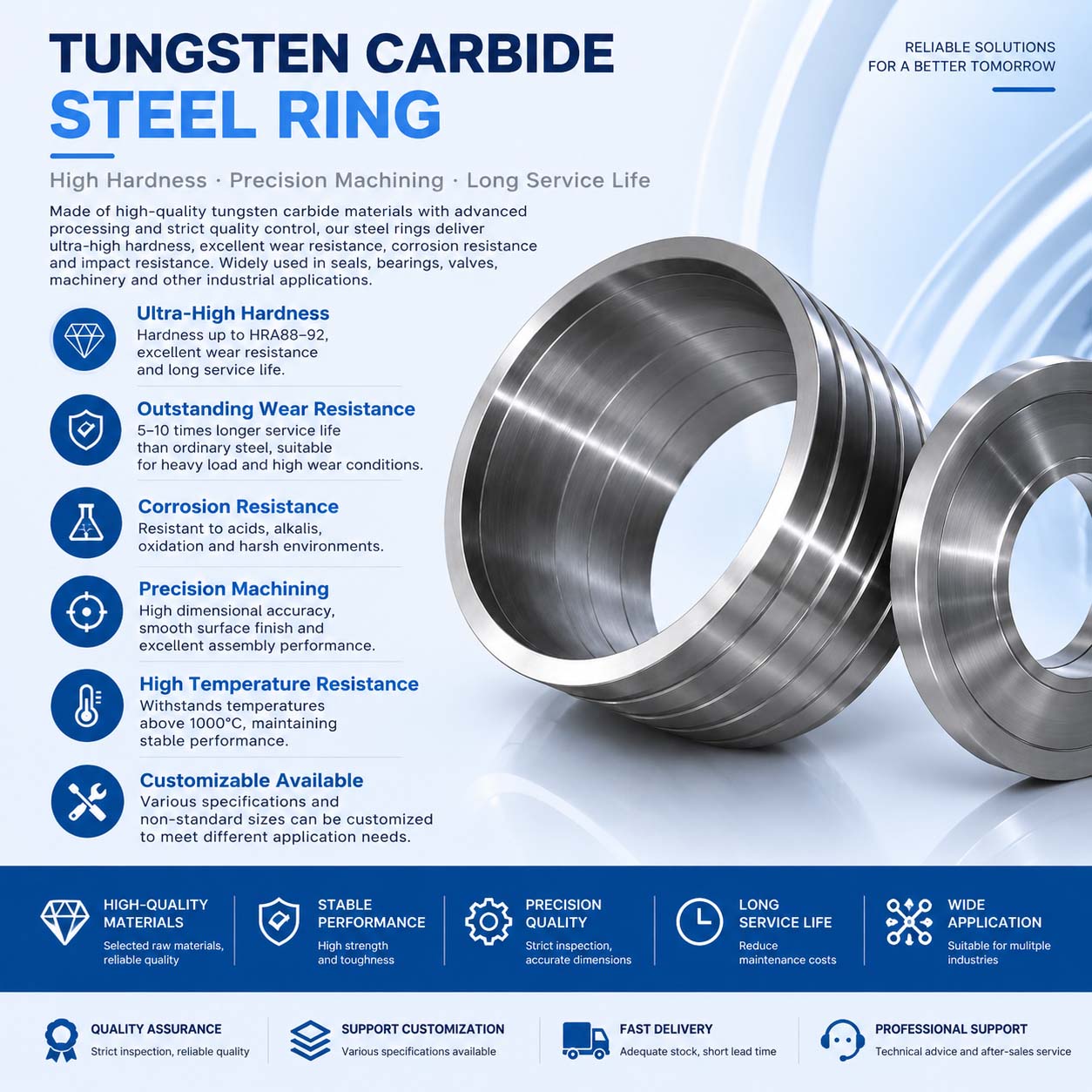
In metal wire drawing processes, capstans and tungsten carbide rings are key components that directly affect product quality and production efficiency. Due to their excellent hardness and wear resistance, tungsten carbide rings are widely used in large, medium, and small wire drawing machines.
This guide introduces the features, applications, selection methods, maintenance, and refurbishment of tungsten carbide rings and wire drawing machine capstans.
Product Overview and Features
Tungsten carbide rings, also known as carbide rings, are generally made from tungsten carbide hard alloy materials. They provide extremely high surface hardness and excellent wear resistance.
During wire drawing, tungsten carbide rings effectively withstand friction and pressure from wire materials, reducing wear and extending service life.
Common wire drawing machine capstans include:
- Large wire drawing machine capstans
- Medium wire drawing machine capstans
- Small wire drawing machine capstans
- Aluminum capstans
Aluminum capstans are lightweight and suitable for specific speed and tension requirements, while tungsten carbide rings are preferred for applications requiring high wear resistance.
Main Advantages:
- High Hardness:
Tungsten carbide hardness can exceed HRA90, allowing stable operation under heavy loads. - Excellent Wear Resistance:
The smooth surface reduces friction and prevents wire scratches. - Dimensional Stability:
Precision machining ensures accurate groove profiles and consistent wire quality. - Refurbishable Design:
Worn capstans and rings can be professionally refurbished to reduce replacement costs.
Applications
Large Wire Drawing Machine Capstan
Large drawing machines are mainly used for thick wire materials such as steel wire and copper rods. These capstans have larger diameters and multiple grooves, resulting in high pulling force and wear loads.
Tungsten carbide rings are commonly installed on capstans or guide components to withstand heavy-duty working conditions.
Small Wire Drawing Machine Capstan
Small drawing machines are used for fine wires such as copper wire and alloy wire. They require high rotational speed, excellent dynamic balance, and a smooth surface finish.
Aluminum capstans are commonly used due to their lightweight design, while tungsten carbide rings are applied in high-wear areas.
Medium Wire Drawing Machine Application
Medium drawing machines are used between rough and fine drawing processes. The selection of capstans and rings depends on wire material, drawing speed, and operating conditions.
Selection and Maintenance
Selection Guidelines
When choosing a capstan or tungsten carbide ring, consider:
- Wire Material:
Different metals require different surface properties. Copper wire applications usually require excellent surface finish to prevent scratches. - Drawing Speed:
High-speed drawing requires good dynamic balance, heat resistance, and stable operation. - Machine Specifications:
Ensure the inner diameter, outer diameter, groove profile, and mounting dimensions match the equipment. - Working Environment:
Corrosive environments may require additional protective coatings.
Maintenance and Refurbishment
Regular inspection and maintenance can extend the service life of capstans and tungsten carbide rings.
Recommended practices:
- Remove metal dust and lubricant residues regularly.
- Inspect groove wear and surface condition.
- Refurbish components when significant wear or wire quality issues occur.
Capstan refurbishment usually includes:
- Removing worn surfaces or old coatings.
- Applying tungsten carbide coating.
- Re-machining grooves to original specifications.
- Precision grinding and quality inspection.
Professional refurbishment can restore most original performance and significantly reduce operating costs.
Guide wheels and wire passing rollers can also be enhanced with ceramic or tungsten carbide coatings for improved wear resistance.
Frequently Asked Questions
What is the difference between tungsten carbide rings and ordinary steel rings?
Tungsten carbide rings provide much higher hardness and wear resistance than standard steel rings. They are ideal for high-volume production and high-wear applications.
Where are aluminum capstans commonly used?
Aluminum capstans are lightweight and suitable for high-speed small wire drawing machines. They reduce rotating inertia and energy consumption but have lower wear resistance compared with tungsten carbide components.
When should a capstan be refurbished?
Refurbishment is recommended when deep groove wear, wire surface scratches, or dimensional deviations appear. Regular groove measurement helps determine maintenance timing.
What performance can refurbished capstans achieve?
Professional refurbishment restores groove accuracy and surface hardness. A properly refurbished capstan can achieve performance close to a new component, depending on wear condition and repair quality.
How to choose a tungsten carbide ring supplier?
Consider machining accuracy, material quality, refurbishment capability, technical experience, and industry reputation. Sample testing is recommended before large orders.
What should be considered during installation?
Before installation, clean the shaft and mounting hole, check keyway fitting, and tighten bolts according to required torque to prevent deformation or vibration.
Conclusion
Tungsten carbide rings and wire drawing machine capstans provide excellent wear resistance, dimensional stability, and long service life for modern wire drawing operations. With proper selection, maintenance, and refurbishment, they help improve production efficiency and reduce equipment operating costs.
