

Coating Service Overview
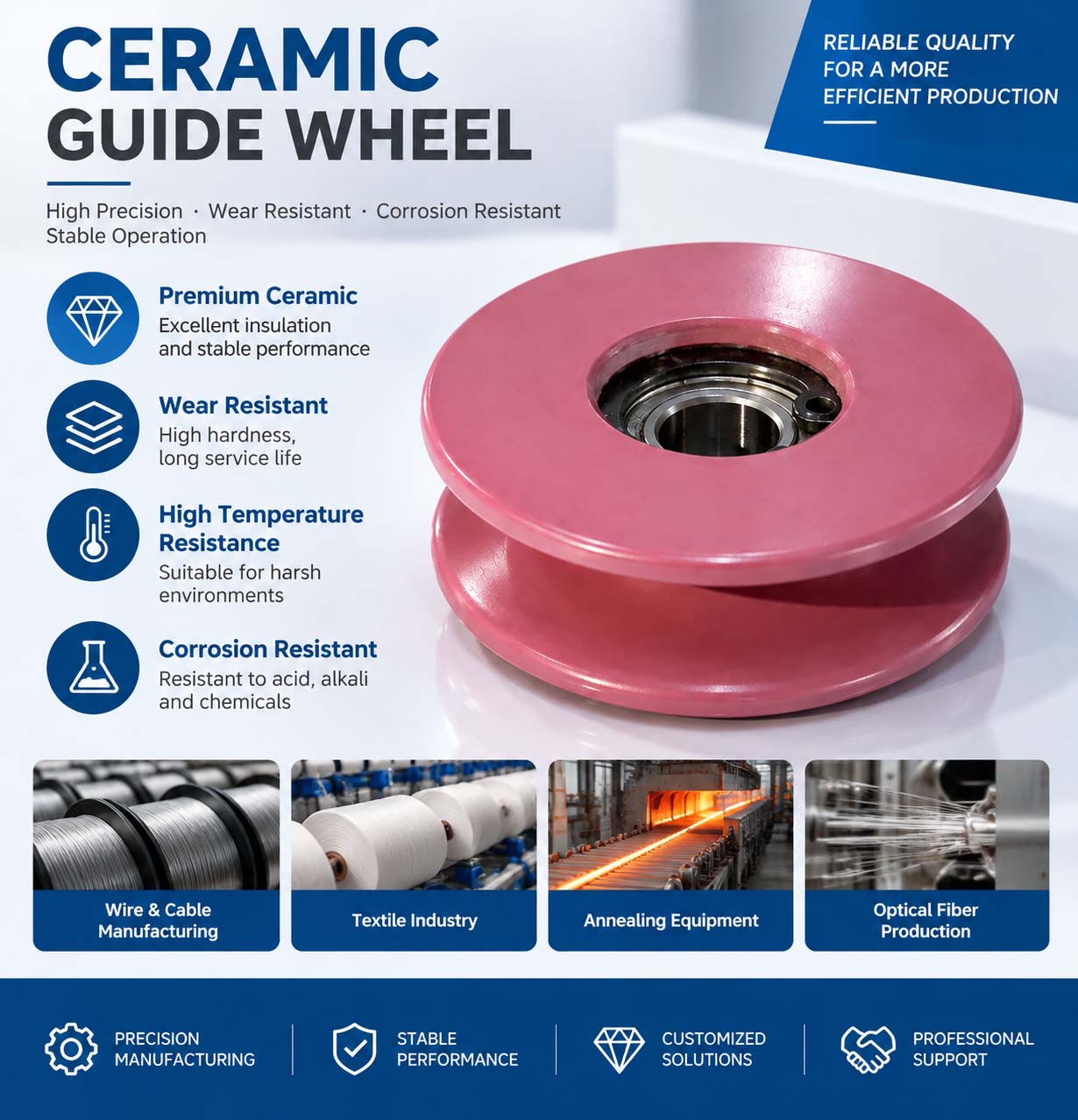
In high-temperature and high-wear industrial environments, the durability of components directly affects production efficiency and maintenance costs. The CR2001 Precision Ceramic Heating Roller is a lightweight ceramic pressure roller designed to provide reliable performance in demanding industrial applications.
With its lightweight structure and advanced ceramic surface technology, CR2001 offers excellent wear resistance, heat resistance, and chemical stability, making it suitable for equipment requiring stable operation under harsh conditions.
Product Specifications
Main specifications of CR2001 Ceramic Heating Roller:
- Weight: 35 g
- Material: Precision ceramic (specific ceramic type depends on technical requirements)
- Surface Treatment: Ceramic coating
- Working Temperature: Suitable for high-temperature environments (actual temperature range depends on application conditions)
As a precision ceramic pressure roller, CR2001 features a lightweight design that reduces rotational inertia and supports high-speed operation and frequent start-stop applications.
Ceramic materials provide excellent high-temperature resistance, wear resistance, and chemical stability. Detailed performance parameters should be confirmed according to the specific ceramic formulation and manufacturing process.
Typical Applications
CR2001 Ceramic Heating Rollers are widely used in various industrial applications:
Annealing Equipment
Used as guide rollers or support rollers in annealing furnaces for wire and strip materials. The ceramic surface provides stable performance under high-temperature conditions.
Wire and Cable Manufacturing
Applied in wire drawing and stranding processes as guide rollers or pressure rollers to reduce wire surface damage and improve production stability.
Textile Machinery
Used as heating rollers in synthetic fiber processing to ensure stable fiber movement and consistent production quality.
Printing and Packaging Equipment
Applied in heating, drying, and forming processes where stable pressure and temperature resistance are required.
Due to the non-conductive and corrosion-resistant characteristics of ceramic materials, CR2001 is also suitable for applications requiring electrical insulation and chemical resistance.
Selection Guide
When selecting a ceramic heating roller, consider:
- Working Temperature:
Confirm that the ceramic material and coating can maintain strength and stability at the required temperature. - Load and Speed:
Evaluate the required load capacity, rotational speed, and dynamic balance performance. - Installation Dimensions:
Confirm shaft diameter, outer diameter, roller length, and mounting structure compatibility. - Surface Finish:
Select appropriate surface roughness according to wire, fiber, or material processing requirements.
Customized dimensions and specifications can be provided according to equipment requirements.
Maintenance Recommendations
Although ceramic heating rollers have excellent durability, proper maintenance can further extend service life:
- Regularly inspect the surface for cracks, peeling, or abnormal wear, especially after rapid temperature changes.
- Clean with soft cloths or neutral cleaning agents and avoid hard tools that may damage the surface.
- Ensure proper alignment during installation to prevent uneven loading and stress concentration.
- Store in a dry environment away from corrosive gases.
Frequently Asked Questions
What Is the Weight of CR2001 Ceramic Heating Roller?
The standard weight is 35 g. Its lightweight design makes it suitable for applications requiring low rotational inertia.
How High a Temperature Can the Ceramic Heating Roller Withstand?
Ceramic materials generally provide excellent heat resistance. The actual temperature limit depends on ceramic composition, coating technology, and operating conditions. Technical confirmation is recommended before use.
Can CR2001 Be Used in Food Processing Equipment?
Ceramic materials are generally chemically stable and corrosion resistant. However, food-grade applications require confirmation that the surface treatment and materials meet relevant standards.
How Can I Know When the Heating Roller Needs Replacement?
Replacement is recommended when:
- Surface grooves or severe wear appear
- Ceramic coating peels off
- Abnormal vibration or unstable operation occurs
Regular inspection helps identify potential problems early.
Can CR2001 Be Customized?
Yes. Customized solutions are available, including dimensions, surface treatment, and structural design according to customer requirements.
What Are the Advantages Compared with Metal Heating Rollers?
Ceramic heating rollers typically provide:
- Higher temperature resistance
- Better wear resistance
- Excellent corrosion resistance
- Lower weight
However, metal rollers may offer better impact resistance in certain applications. The best choice depends on specific working conditions.
